Episode 329: Root mealybugs: how to spot and prevent this hidden pest
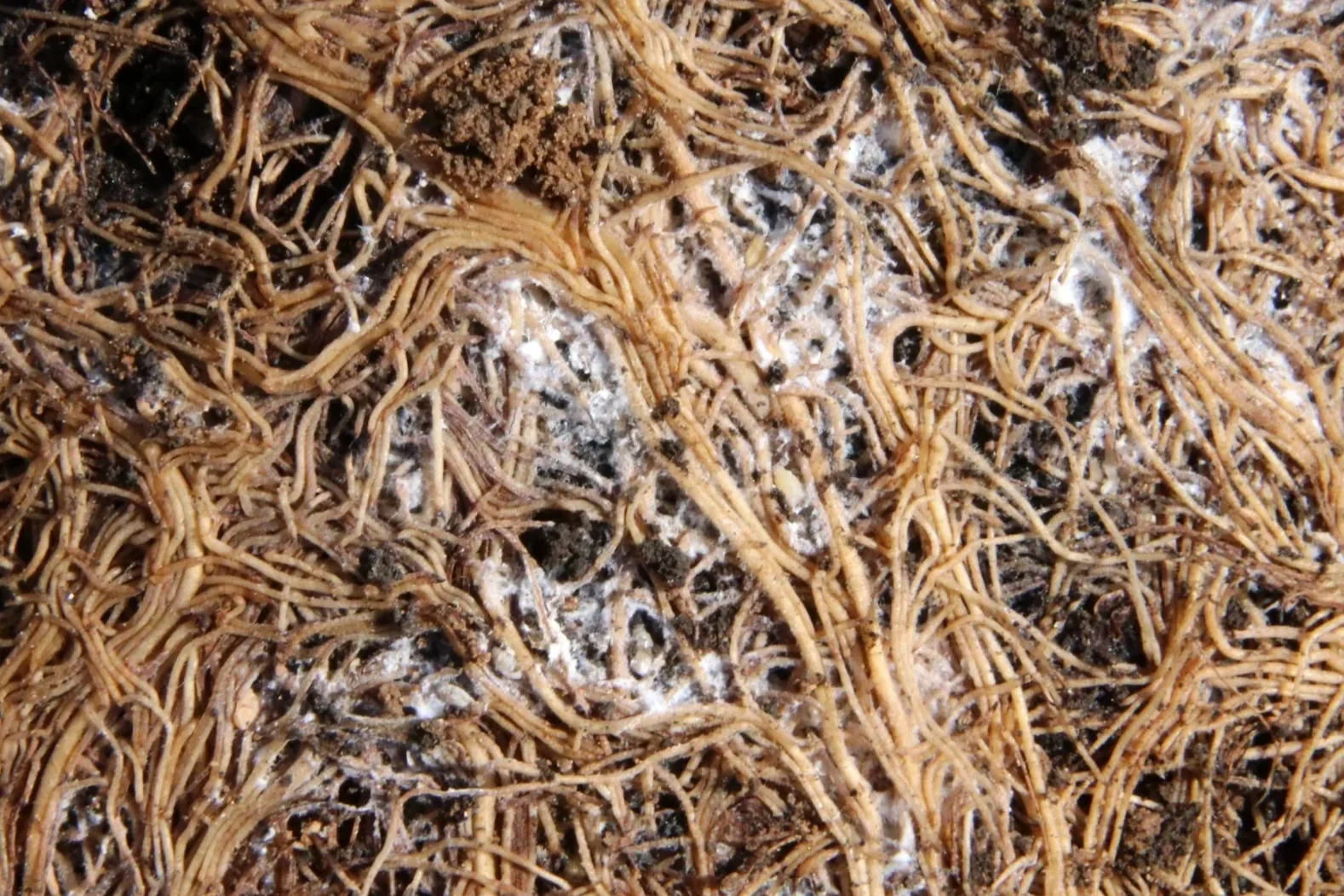
Photograph: Mohamed Nuzrath from Pixabay.
Transcript
[0:07] Hello and welcome to On The Ledge Podcast. And this week, a short and painful
[0:12] episode about root mealybugs. We're going to get to the root of the problem.
[0:19] See what I did there? Hello and welcome to the show. This is not what I planned on talking about this week, but unfortunately, my week has been curtailed. At the beginning of the week, I had a lurgy. I was crook, I was sick, I was poorly. However you like to phrase it, it was one of those little illnesses that gets in the way of my everyday life. And then the next two days I had to take a child to university and that leaves us with today. Plus, I'm still not feeling that great. So I thought I'd bring the mood down even further and talk about root mealybug and why prevention is so much better than cure. I've been meaning to do this for a while because I keep seeing posts about this pest and people really struggling with it. And I think it's fair to say that this is the most misunderstood and underrated houseplant pest there is. So it's really worth talking about them. Now, I did do an episode on root mealies back in 2022, but here we are four years on and I'm still suffering with an infestation of root mealies, which just seems to jump from plant to plant.
[1:37] It's not good. So root mealie bugs, where do we begin? I'm not going to talk for very long today because I'm not sure my voice will hold out, but hopefully we'll just get through the basics of.
[1:50] Consider this your five minute or so guide to root mealybugs. We're going to cover a few things about root mealybugs that might help you before things go pear-shaped, as we say here in the UK. Weirdly though, root mealybugs aren't pear-shaped. They're more a kind of, I would say, rice grain shape, especially the young nymphs, the juveniles. We'll get onto that.
[2:14] How do you spot an infestation in the first place because these little blighters are not going to come and announce their arrival in the same way that pests that attack all the foliage of your plants do.
[2:28] So, unless you are used to getting overly familiar with your roots on a regular basis, you just won't know you've got root mealybugs until it's too late or you go to repot the plant, whichever one happens first. These are the slow burn of the houseplant pest world. They're working away on your plant's roots without you knowing a damn thing about it. And surprisingly, plants can live quite a long time without showing obvious signs of distress. Now these root mealies, they're hanging around in the root ball, sucking the sap, sucking the very life out of your plant. So eventually the plant will start to look distressed, dehydrated, miserable and stop growing. But that point is probably often too far to save the plant.
[3:17] So how do you stop the mealie bugs in the first place. I would say the main thing is quarantine.
[3:25] Plants that you get in your collection should be quarantined anyway so you can see any pests but with root mealies you need to be actively looking. So take the plant out of the pot when you get it home and get going with the hand lens. Any kind of magnifier will do and what you're looking for is white cottony masses on the roots. You might not be able to see if it's mold or a lump of perlite with your with your bare eyes but once you get that magnifier on there you'll be able to see these cottony masses and you'll start to see these little white rice grain shaped creatures, and if you see them about the size of a rice grain say maybe about two millimeters long those are usually the ones that are moving the fastest because they are the nymphs the juvenile form.
[4:14] So you might also want to examine the inside of the pot because sometimes there's root mealies on there and certainly a white deposit that indicates that you might have a problem with root mealies. And if you want to find a way of testing this out, if you sort of try to wash away the white stuff that you find and it's sort of resists washing away, it's very waxy kind of stuff. Well, that's another good indication because these root mealies have a really waxy coating that helps protect them from water being washed away. And the other major thing to look for is these juveniles, these little rice grains. These young'uns are the ones you're most likely to see moving around. So they're at their most nimble and that's when they like to make a break for a neighbouring plant container and they flint like a little evil life raft. They either rise to the surface or sometimes they drop through the drainage hole and come out the bottom of the drainage hole. So if you want to avoid root mealy spreading, keep separate drip trays for each plant and don't combine them together in a sink or a bucket when you water plants. Keep them separate and don't just water, do one plant and then another one because those little evil life rafts are waiting to find a new home.
[5:34] And that's how I first saw them when they came in on a plant it was an African violet and I saw this little rice grain and the rest was history.
[5:45] And here I am struggling several years on the same problem coming back and back, they do like to eat African violets along with other gesneriads cacti and succulents and hoyas they are i would say their main homes although you can find them on any house plant.
[6:07] The trouble with cacti and succulents is we often don't repot these for several years at a time, so you're not seeing those roots as often as you are other plants, and thus you're not seeing the problem. So that's what to look out for. I would say definitely when you get a plant
[6:21] home, check the outside of the root ball. If it's clear, leave it for a few weeks, check again before you integrate this plant into your collection, because, as I say, they are little demons and they will take over eventually their their life cycle can slow down quite a lot in cold weather but they'll still survive and you know they will reproduce and reproduce and reproduce so how can you stop them i would say the other thing i would do aside from watering separately is pot hygiene so every pot needs scrubbing out with hot soapy water if you're going to reuse it, get in there wash it out thoroughly. Every nook and cranny needs to be tackled and do not reuse potting mixes. It's very tempting to be green and think I'm going to reuse something but unless you've sterilized it in an oven or a microwave, which you can do, then I would not recommend reusing potting mixes, if you've had any signs of root mealies in the past.
[7:25] But let's assume you've got a problem with root meal bugs and you want to know how to fix it, the simplest albeit most painful way is just to cut the roots off that plant and start again it sounds drastic but actually it's sometimes what is required, you can do this with hoyers you can do this with some globular cacti you can successfully cut all the roots off and re-root the plant, anything that you can do that to.
[7:54] It's just going to be a clean break and you can throw away that potting mix and sterilize the pot. Then you know you're not going to be spreading the root mealybugs on to something else. So that is probably, I would say, it's a scorched earth approach, I know, but it does really work. You can also try hot water baths. So the general rule for this is they need 10 minutes soaking at 120 Fahrenheit, 49 degrees centigrade, but the temperature has to be maintained. So it's no good putting it in at the high temperature and then letting the water cool off. So they need to be in like a sous vide or something, one of these hot water baths that keeps the temperature up. So that's quite messy and a bit of a pain if you've got a lot of plants,
[8:44] but it is supposed to work. You might need to repeat it a couple of times, but it's a very low impact treatment in terms of, the environment so another good choice if you only have maybe a few plants you can also use an insecticide if you use such things.
[9:04] A systemic insecticide as a root drench will work depending on your country there are various options for this and if you look online you'll be able to see what people in your country use. My main suggestion for this would be that this may be the only option if you have a really big collection and you've got big plants that you simply cannot, cut up and get rid of the main root ball. So if you've got an alien collection, this may be the way forward. I would say be very, very sure this is the only way you can proceed before you go ahead. Systemic insecticides are not great for the environment. I would only ever use them indoors but it is an option if you've got dozens or hundreds of cacti and succulents that are affected.
[9:55] Sometimes people swear by spraying or soaking the roots in soapy water or alcohol water. I don't think there's enough evidence that that really works and you might end up spending a lot of time doing something that doesn't really help your collection.
[10:12] So those would be my three suggestions in terms of taking care of root mealybugs. But the best thing I would say is avoid them in the first place just be, so careful about bringing plants home with this problem it's quite common and, they are really a really devastating pest and the other thing to say is always take cuttings of your plants as backups anyway and that way hopefully you'll always have a backup plant if root mealy bugs do descend. Well I've gone over five minutes but I hope that's helpful advice about root mealies maybe you've got some advice you want to share do let me know i'd love to hear that there's a silver bullet treatment for these things, but the things i've suggested are so far the only things that have come anywhere close to helping my collection.
[11:06] So that's my Root Mealybug Intel. I'll be back next week with hopefully a longer episode. Let me just say before I go, thank you to those who have started following me on Patreon, where you can find ad-free episodes if you're fed up of ads. Then please do check out patreon.com forward slash on the ledge, which is what Charlotte did. Charlotte joined as a legend this week so she unlocked the ad free episodes, and Charlotte is in the business as we say based in Surrey in the UK, she has relaunched her houseplant business Sybil and Jones this week so good luck with that Charlotte I do hope it goes well and if you're interested in Patreon do ask me a question about it happy to share it's a great way of joining the on the ledge community so much interesting stuff on my Patreon so many extra episodes to listen to so if you want more of On The Ledge that's where to go, that's all for this week I'm sorry it's been brief but at least my voice has held out and maybe, just maybe I've helped you avoid, Root Mealybug hell.
[12:20] So I hope you have a great week I hope any Root Mealybugs in your collection just do one and disappear and I will see you again very soon. Bye!
Root mealybugs are the most underestimated houseplant pest of all - and you probably don't even know you have them. Here's my quick guide to dealing with these creatures.
Want to hear this podcast ad-free? Sign up for my Patreon now to unlock ad-free episodes, bonus episodes and much more!

CREDITS
This week's show featured Whistle by BenJamin Banger (@benjaminbanger on Insta; website benjaminbanger.com) and The Road We Use To Travel When We Were Kids by Komiku.