Episode 328: bringing houseplants inside after summer? Remember the five Ps ...
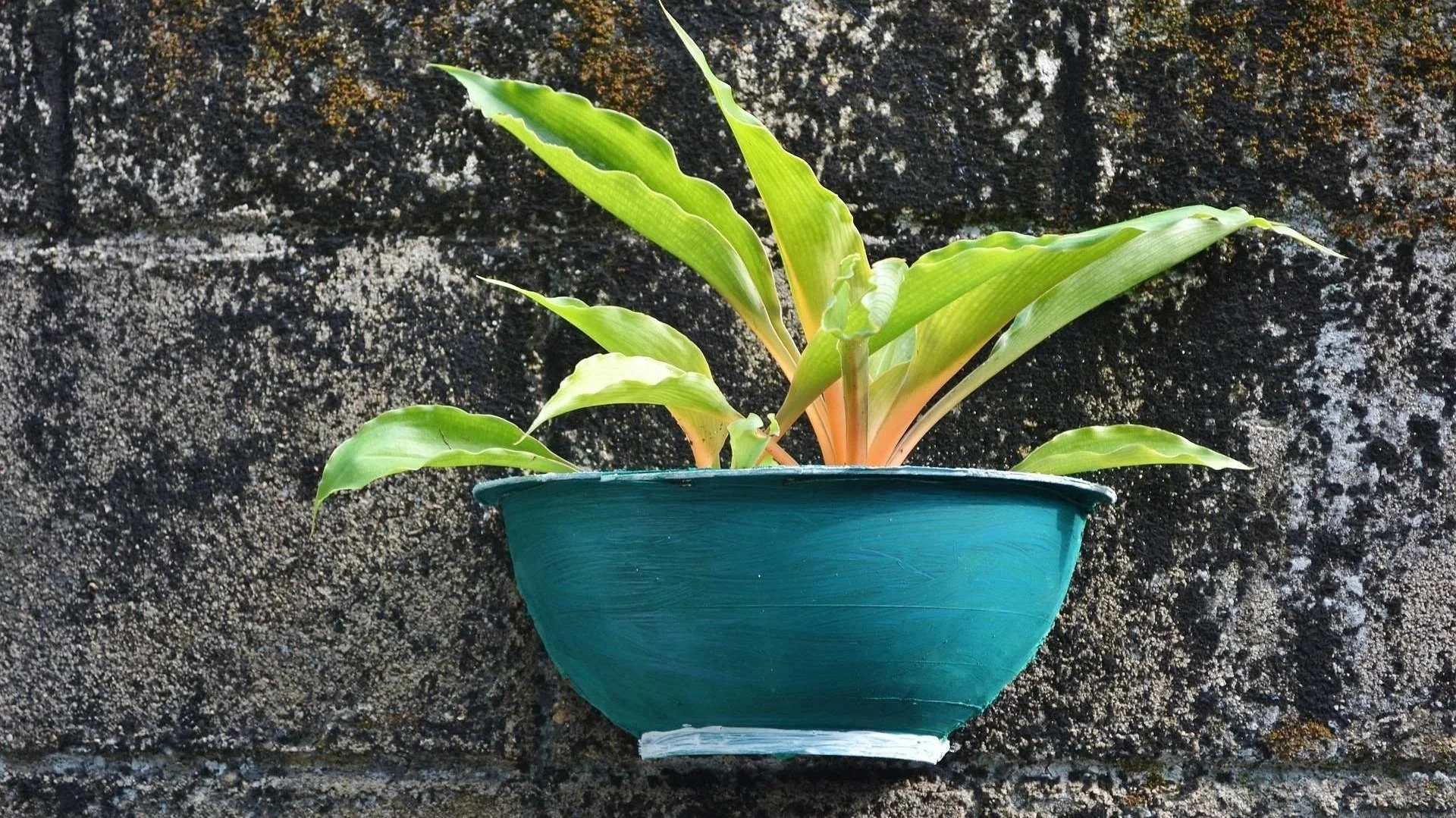
Photograph: Mohamed Nuzrath from Pixabay.
Transcript
[0:06] And welcome to On The Ledge podcast, the podcast that never forgets that we humans are really just what Terry Pratchett called, little bags of thinking water held up briefly by fragile accumulations of calcium.
[0:25] And we're here to talk about another kind of bag of water, That is the houseplant, because yes, we do share a lot in common with our plants. And one of the other things we share is the fact that we enjoy going on holiday. Well, most of us do. And unfortunately, it's time to get back to school for most of us. It's September. And while we've left the suntan lotion behind, our houseplants also need to come back in the house before it gets too cold. And in this week's show, that's exactly what I'm going to help you do. A checklist of all the things that you need to remember when you are bringing your plants inside, trying to find space for them and getting them back on track, ready for the W word. Yes, that's winter. Let's just say it and get it out there before anything else. And I'm going to make life easy for you by giving you this advice in the form of the five P's.
[1:30] They're easy to remember right when you are about to lose your goddamn mind because you have way too many houseplants to bring inside compared to the amount of space you have. Yes, I can see you. I know what you're going through. But we'll come to that. Let's get on to the first P.
[1:49] And the first P is pests. I do know people who never let their houseplants outside for reasons of worrying about pests. And I do understand, but my approach is a lot of houseplants do love a spell in the garden. It certainly helped a lot of mine this summer. I had a very sad looking hoia that's been outside and is now absolutely glossy and green and loving life. So it can really help our plants, but there are pests outside that we don't want to bring into the house. And they may not be the same usual suspects that we're going to encounter in our indoor collections. The main thing that I'm worried about when I'm bringing house plants in from outside are twofold, one slugs, and two vine weevils so let's talk about those first the slugs are.
[2:44] Yeah they're going to damage your plants they're going to cause physical damage to your plants but it's just not nice when you walk into the house or you walk, downstairs breakfast time and you stand on a slug you do not want to be bringing these things inside likewise with snails the crunch is no better than the squish so you really do want to try to remove any slugs snails or other mollusks are there any other mollusks that could be, I don't think so but you never know anyway you want to remove these things before you bring them inside so it's a pretty simple check, just examining the plant looking for any nooks and crannies where snails and slugs might be hiding the most important place though is lifting up the pot and looking underneath. They often love to sit chilling in the drainage hole of plants. It's a really common location for a slug to be found so that's really worth checking. And when it comes to vine weevils you're probably not going to know that your plant has been suffering with this particular pest. These little beetle-like creatures they wander around at night time so you might not see them. They are small and brown.
[4:02] The exact species may depend on your location but it's not the adults that really do the harm. It's the c-shaped little larvae that live in the roots and eat the roots that cause most of the harm. The adults will notch leaves and I'll put a picture in the show notes of a leaf that's been notched by a vine weevil, that damage is, well, it's annoying, but it's not that bad. The root damage is the thing that's going to kill your plant. So you can treat this in a couple of different ways. The main two ways of treating vine weevil are a biological control, a nematode that you water onto the soil, or a systemic. And if you don't want to use either of those, you can get into that pot and just check the roots and go over them and remove the c-shaped grubs but that's really time consuming particularly if you've got a big pot so, if you want to be preemptive and you think you see some signs of those leaves being notched then do, treat your plant with a vine weevil treatment make sure it's gone all through the root system so that it will definitely tackle those larvae, they're small c-shaped creamy colored and they will destroy your plants roots so that's a really important one the slugs more for this kind of aesthetic point of view.
[5:26] Although they will obviously eat leaves too but the vine weevil really will take out your plants if you're not careful and they particularly love certain succulents they seem to find them absolutely delicious so those are two big pests to look out for other pests to look out for well you might find that you've got damage from, sap sucking insects like thrips or aphids, you may see the damage but you may not see the pest because of course outside you do have pest controllers like little birds that will be eating actively eating these aphids so you might see damage, you might not but with any plant that you're about to bring indoors I would definitely give it a spray down with some water and ideally some horticultural soap or some SB plant invigorator or similar, just to make sure that your plant has the best chance of coming in pest-free.
[6:23] That brings us neatly on to the second P, which is primping. I mean, I think this is a very underrated word, primping. Now, don't get confused. I'm saying primping with an R, and it means kind of doing little things to make yourself look better, maybe before a big night out or a date. Another word would be preening, but I think that sounds a little bit vain. So I prefer primping. It just means that you're going to make your plant look better. To put it simply so we've already talked about one of the things you're going to do which is just spraying down your plant to remove any debris because if you've had like tropical rain you will have had mud splashed up on the leaves there might be, debris dead leaves all kinds of bits and pieces on your plant's leaves you don't really want to bring any of that indoors so while you're outside take the opportunity to give them a really good spray down and remove anything like that.
[7:23] And again this can double up as your pest protocol clean them off let them dry out and bring them in, have a look at the overall silhouette of the plant um you might need to do some staking or some tying in if you've got plants that are have gone a little bit wild over the summer and in a bit i'm going to go outside and look at my chinese money plant which is done exactly that and we'll talk about what I'm going to do with that plant but yeah anything that needs sort of fixing while you've got the plant in front of you you're looking at it you're dedicating time to it, get it tied in get it staked remove any leaves that are showing signs of damage, clean down the pot make sure the drainage hole is clear and this will all help your plant to adapt to life inside.
[8:15] Now, I mentioned cleaning the pot there. Pots is the third of my peas. So this time of year in the northern hemisphere is not the ideal time to repot a plant. Let's be clear about that. But it's not beyond the bounds of possibility that some of your plants may be so desperately in need of repotting right now that actually it's not such a bad idea to repot.
[8:42] Have a look at the roots. I mean, I always say this, I sound like a broken record, but I'm going to say it again. Have a look at the roots. If the water's rushing through the pot and the plant is looking a bit miserable, it may well be that your plant does need a repot. And if it's a plant in a big pot, it might just be a case of reducing some of those roots, cutting that root ball, getting an old bread knife out and having a hack at the root ball. If you do that though, remember that you also need to do an equivalent cut to the foliage because you need that balance between the foliage and the root mass. So yeah have a look at the plant if it really needs repotting you know there's roots massing around and you're either going to trim the roots or repot, into a new pot just give it a slightly larger pot don't go massive don't try and give it a, you know double the size or anything silly just give it a slightly larger pot or just trim the roots just so that your plant can get through winter and then maybe have a repot in spring.
[9:48] The other thing you can do is the old attack it with a chopstick technique so yeah just poking some holes into the root ball.
[9:56] If in doubt don't repot would be my rule at this time of year especially when the plant's already going through change, but it's a case by case basis. You can't generalize on this. It just depends on the individual situation. And if you're anything like me, repotting is a right royal pain in the posterior. I think I've used that phrase already this episode. So maybe I'm going to put it off. That's absolutely fine. Many times you can get away with that for another season and your plant will be OK.
[10:31] But while you're looking at the pot, do have a think about maybe switching out the pot just for aesthetic reasons, too. It's sometimes just nice to refresh the pot with something different, particularly if you're putting the plant back in a different location in the home. Try something new. Be adventurous. Get some spare pots out and have a look at what you've got. I just picked up at the local jumble trail.
[10:57] A lovely sort of it's like a bit it looks a bit like a dolly tub one of those dolly tubs it's not a dolly tub but it's a pot that's been designed to look a bit like that with corrugated metal I got it for two pounds I'm so pleased, I'll put it on my socials if you want to have a look and that is definitely going to be, used for one of my incoming house plants this autumn because it's a really nice pot and it's just nice to have a change sometimes isn't it so yeah pay attention to your pots look for broken pots damaged pots replace anything that's looking a bit dingy because the last thing you need right now is bringing something into your home that is going to bring the mood down I don't know if you're like me but I really don't like winter so I have to have things around me that are going to bring me joy and a nice new pot is one of those things i mean i say new i wouldn't advise buying you because there's enough pots in the world just go around local junk shops charity shops etc, if you're wondering what a jumble trail is i'll just quickly explain that we have these in the uk or certainly where i live and it's just an allocated day in the year where people decide to have a stall selling their stuff outside their house so it's like a kind of a yard sale that you'd have in the US.
[12:16] Loads of them happen on the same day. And so you can walk around the area and go to all the different stores and buy stuff. And I got some really good stuff. I got a really good glass container, which I'm going to use to upgrade my Marimor moss balls. So it was all in all a very good day. And I love buying stuff secondhand. It's just absolutely my jam. So yes, pots, pots, pots, mix it up try something new and most of all just make sure that the pot that you're using, is not going to leak water because that really is the worst case scenario that pot either the.
[12:55] Either the inner pot with a tray just make sure that's not going to leak I discovered I had a cracked drip saucer which is putting water everywhere all over my shelf not good so just check for cracks, because that kind of thing can happen over the summer when things are outside.
[13:12] Okay, number four, it is pruning. So I've touched on this already, but when you're bringing your plants inside, light levels for them are immediately going to plummet, because it's about 50% darker inside. Wherever you are inside, it's 50% darker than it is outside. Minimum, minimum. So it's really a good opportunity to do some pruning, light pruning, not like major renovation pruning, but light pruning. Because if you don't, your plant will just lose leaves anyway. It's totally normal to have some leaf loss in the autumn because the plant is just powering down a little bit, reflecting the fact that there's not as much light around.
[13:57] But you can preempt this with a bit of light trimming. That's a very wise thing to do. It means you might have some cuttings that you can propagate to make backup plants because winter's coming and you know what that means plants don't all make it through winter so a little bit of pruning stand back stand well back and look at the plant before you begin and then every couple of cuts stand back again so you get an overall idea of the shape you're going for don't be too afraid but at the same time you know it's not the time to make drastic cuts to plants that are about to suffer from a lack of light. It's a careful balance. If you're going to be pruning your plants and just putting them on the compost heap, great, but maybe you could give away those cuttings to somebody else who might like them. If you've got trailing plants, oftentimes you can trim the length just to prevent them from hitting the ground, tidying them up, removing spindly stems, that kind of thing. It's a good call. And just make sure that you give your snips a little clean in between every plant. You could use rubbing alcohol for that, or you could just, if you've got a gas hob, you could just put them under the gas hob for a few seconds, which will burn off anything nasty in the way of viruses or bacteria or fungi. So that's number four. And the final P.
[15:24] Is positioning and this may be the trickiest of all because of course you've put plants outside and then indoors you've moved things around to take up the room that those houseplants have left behind. So this is the moment where going back to the things I've been talking about in previous episodes recently, it might be the time where you say, I'm just going to say wave bye bye to that plant. I'm not going to be all precious about it. If a plant's not bringing me joy and the thought of bringing it inside is bringing me out in hives, it's got to go. And that's OK.
[15:58] That's absolutely OK. So audit your plants before you bring them in. Bear in mind that they have been outside in a lovely light place. So you don't want to plunge them into the darkest corner. Try to get them as close to windows as you can. If they're on the floor, I love using things like upturned pots as plant stands. And that way you can have plants at different heights and levels to add interest and also get the best use out of the light that you do have. There's nothing better than cleaning off a shelf of dust and reorganizing your plants it's what I'm going to be doing this weekend for sure making life easier trying to reorganize things so that everything is easy access and less hassle so for example on my windowsill here in the office in the bathroom I've got three plants no four plants that are currently arranged on two individual trays so I'm on the lookout right now for a, shallow rectangular tray that will fill that little shelf that little windowsill out there that I can fill with gravel so they can all be on the same thing which would be amazing so yeah, that will be my thing that I'm looking for out at the junk shops of my area and the charity shops of my area this weekend.
[17:27] Make your life easier. Combine things together. Maybe you've got lots of separate pots and you don't want to combine them into a single container, but you could put them in one drip tray or in one larger container and just pack them together and make it look like they're a container. And then it's a smaller watering job. Be creative, be inventive and make your life that little bit smoother. It would be my advice. And hopefully once you've taken the plants from outside, you could just give that area where those plants have been a good clean down, there's nothing better than brushing I don't do it very often because I'm busy doing other things but I do love a dust pan and brush or a broom on the patio where the house plants have been tidy up it it's just good for the soul I can't explain it but it does feel good so get those plants organized indoors bear in mind that they don't have to stay where they land forever. They might move as the autumn turns to winter, they might move again, but for the minute, find them the first spot and then see how they do. It's a movable feast, or it should be at least.
[18:41] So those are my five P's. Let's put those into practice. And we're going to go and put them into practice on a plant that begins with P. Yes, it's my Pylea peperomeoides, aka the Chinese money plant. Let's go out to the patio and see how it's doing. I apologise for the wind sound. It's a bit of a blowing a hoolie out here today, even though it's only September. So I have a few plants out here but my victim today is my Pylea peperomioides aka Chinese money plants, and this plant is I can only describe it as a unit, it's a plant that I've had for a few years now and it's very large and impressive but at the same time over the summer while it's been outside in its terracotta pot it's done what Pilea pecoromeoides the Chinese money plant does which is to start to, droop over where the stems have got long.
[19:48] This plant has had a bit of mealybug issue and has also potentially seen some, vine weevil over this summer, and it's been growing greatly in this, warm summer that we've had here in the UK. It's been well watered but what am I going to do with this thing? It's huge, I mean it's a good, well from one side to the other I say we've got about 80 centimetres across. I think my plan for this plant, I mean this is really the first thing to think about when you're bringing in a plant, is to take off some of this growth because quite frankly, there's a lot of it and it's going to be difficult to find a home for that inside my house. Plus as it goes inside and light levels drop it's going to be finding life a little bit less sunny and therefore it's not going to need so many leaves those photosynthesis factories are going to be, somewhat redundant so I'm looking at taking off some growth off this plant and of course with the Chinese money plant the great thing is these can be popped into a vase and they will grow into new plants which can refresh my existing plant or I can give them away.
[21:11] The other thing as I'm looking at this plant here, looking at its leaves, is that some of them are showing some signs that maybe this needs some nutrients. We've got some paler yellow areas on the leaves that are telling me that this plant needs a good feed. That's the first things that I'm looking at. I'm also looking at the leaves, just checking that there's nothing really...
[21:37] Going on in terms of other damage from pests. I can see a few spots where it's been probably been tackled by a snail or two. And what about the vine weevils? Well, vine weevils are these little bugs that you might see on your plants outside at nighttime. The adult, the adult weevil will be wandering around your plant, but it's the things that it grows from, the larvae, the other bit they're going to damage your plants. So they grow in the soil and attack and eat the roots of your plants and one day your plant will be very unhappy and that'll be why. And you might see the damage from the adults as little notches in the leaves and I'm seeing a few leaves here that are affected in that way. You can get a biological control to treat vine weevil, you can also get systemic chemicals to treat the vine weevil as well and I wouldn't use those, I would use those with this plant either of those options ideally the biological control.
[22:45] To treat the plant and make sure that it doesn't bring vine weevils inside if I if this was in a smaller pot I would be taking it out to have a look at the roots but it's in a really big pot, and I just don't think I've got the energy for that today so I think my plan for today will be to remove any dead leaves there are some, bits of debris that have come in and dead leaves on the base of the soil so I'm going to try to remove as much of that as I can, I can't see any signs of mealybug but one has to always be alert to that with plants, those cottony masses that we might see. I've got a few leaves here that are just old and need removing so I'm going to take those off as well and pop them in my handy, blue bucket here.
[23:43] So yeah, a general look around. I mean, there's some mechanical damage to the leaves because it's been outside, but I'm not seeing anything too dire. Taking off a few yellowing older leaves and I'm going to think about where I'm going to chop this plant back. I think it's going to need, when it goes inside, a really good watering. I've lost one huge leaf that's about the size, well it's way bigger than my palm, it's enormous, I'll take a photo of it to show you how big these leaves can get. I could propagate that by putting that in water but I could also propagate the stems. Pileas do propagate really easily. So those are some things I'm looking for, let's get rid of some more dead leaves. I'm looking for maybe also spiders which although they're not going to do the plant any harm, my family might not want them to come inside with the plant. Now I've got a few leaves here that are showing signs of aphid damage so they're a bit curled and damaged with some little yellow pock marks where the aphids have fed.
[24:52] I don't think that'll be a huge problem indoors but we'll keep an eye on that too. If I plunge my finger into the soil it's quite dry as I say it's in a terracotta pot so it does need quite a lot of moisture this plant and looking here, I'm going to think that the best thing I can do before this goes inside is give this a really good soak ah now I'm finding a bit more aphid damage here so I've got these pocked damaged leaves.
[25:23] I can't see any aphids but I think that's where they've been and then probably been, eaten. I mean this is a really good example right here where there's a, section of stem that's been cut or broken and three new plants have grown out of it so cutting this plant back really actually benefits it quite nicely in the end.
[25:47] Yeah taking off a load of these leaves, the nice thing about pilea leaves is if you're careful they just kind of come out like, a bit like pulling a tooth that's about ready to come out but you just sort of pop away from the main stem uh so yeah put your finger in the soil have a look and the other thing that's really essential to do is to have a look and see if there's any, slugs growing growing well i hope they're not growing but, taking up residence at the bottom of the pot so let's have a try at lifting this pot one side and seeing what's under there. Ah, now. Okay, so I've got a pill bug, a woodlouse, an isopod, a native one that's rolled into a bulb. I don't see any slugs, but I do see there's a lot of roots coming out the bottom of the pot and even a stem.
[26:45] This plant doesn't look too bad I think it just needs a really good watering before it goes inside because once it's inside it's going to get messier to try to give it a really good soak so my plan is to put this, in a tray and then just give it a really good soak with some, houseplant fertilizer I'm going to use my, houseplant fertilizer from Not Another Jungle that I have to hand it's quite easy to use it's just a powder form that goes into the watering can so I'm going to give it a really good soak with that and the next challenge is finding it a, tray that it can sit in when it's inside so that it's not pouring water everywhere when I do water it indoors oh look there's a spider okay so let's see if we can get this spider to relinquish, now i think it's a woodlouse spider actually we've got here, what i don't want to do is take it inside and then all these spiders decide to come out and terrorize my family some of whom are less keen on spiders uh you've got to be a little bit careful riddle our spiders because they can.
[28:02] Bite you. Go on, off you go. It's quite small but it's spider season here in the UK. I don't know if anyone in the UK has noticed that there's some massive spiders around at the moment. Hopefully if I give this a really good spray down the spiders will probably just be to retreat anyway. So I'm going to find a container and get this plant sprayed down It's going to be watered. It's going to be sprayed with a spray hose to remove any debris, any aphids that are left. And then I'm going to...
[28:45] Make sure it's nice and clean and dry before it comes inside, and hopefully we'll then keep a watch in brief to make sure that there isn't anything we need to be concerned about in the way of, pests, vine weevil etc and then I may treat it for vine weevil anyway if I start to see those notches in the leaves which will indicate that the plant has got some vine weevil at the root level.
[29:15] And so, yeah, that's, I'll put the links in the show notes to the biological control and the systemic that I would recommend. I don't ever use systemics outside. I do use them occasionally indoors for plants like this because it's in a really big pot and trying to get rid of the vine weevil, the same as root mealybug, getting rid of the vine weevil would be a real pain in the posterior so, if i need to and only if this will get treated um, i'll put those in the show notes but yeah it's it's a real droopy draws this plant at the minute and of course one of the things i could do would be to stake it but i just don't like staking plants i think if i cut this back i shall have some cuttings to give away or do whatever with and then the plant will, adjust as we come into winter it'll probably lose some leaves that more leaves that's absolutely fine it's got to adapt to the different light conditions, that's absolutely okay um.
[30:23] And therefore it will look a bit different for a while it might look a bit miserable for a while but this is a big old plant it should be fine in the longer term but what it needs right now it's a good feed in the water before it heads indoors. So that is exactly what I'm going to do. Now I have got around here a big tray which my plant could go into. So this might be the answer here. It's a plastic tray. I would ideally like it to not be a plastic tray, but it's not going to be very visible because the plant's so big. So I think I'm going to give this pot a clean off and get my plant ready to go let's bring it over to be sprayed now I've got to watch my back here because it's always not too bad okay.
[31:15] Let's give this some water. Now this is, the hard tap water of my local area but I will spray it with SB plant invigorator, and water that's come out of my zero water water filter so that hopefully the leaves won't get marks. What I'm doing here is just getting rid of the debris and dirt that's built up on some of the leaves especially the ones close to the ground over time, this is so sort of big and rangy now this plant I would ideally love to have this on a plant stand so I'm gonna have to try and find a plant stand or possibly just get a pot and turn it upside down to.
[32:06] Provide a stand for this planting doors. Right I'm gonna let that dry off while I get some rainwater to actually water the plant, and then I'm gonna let it just soak and sit in its water, before I bring some doors. Probably tomorrow realistically. So superfood and not another jungle going into the watering can and my trusty bamboo stick, to stir it around.
[32:50] And, this will probably, take about half a cans worth to, fill up the tray below the plant and then we'll take it from there.
[33:11] I could leave this plant out longer. There is an idea, not confirmed by me, that this plant, The Chinese money plant would actually be, hardy outside in the temperate climate of the UK. I've not tested that yet. I think I would only do that with a very established plant in the ground. And that is not this. It's having a really good soak now. And I will update you on how this gets on indoors. Right now it's looking really miserable, I'm not going to lie, but it will perk up and once it's been cut back I think we'll be good to go. I think pileas definitely look best en masse and a big plant, I think they always look a little bit sad when they're just a tiny plant on their own, but it's always worth taking cuttings. You can't have too many security blankets when it comes to house plants because you just never know.
[34:29] So, can you remember the five Ps? Let me remind you. Pests, primping, pots, pruning and positioning. If you can get that right when you're bringing your houseplants in this autumn slash fall, then you won't go too far wrong. That's all for this week's show. I'll be back next Friday. And as always, thank you for listening and supporting. On the ledge podcast, love you, bye, see you, bye, bye, bye, bye, bye, bye, bye see you, bye, bye, bye, bye, the music you heard in this podcast was Whistle by Benjamin Banger and The Road We Used to Travel When We Were Kids by Kumiku, both tracks are licensed under Creative Commons visit the show notes for details else.
If some of your houseplants have been outside this summer it’s time to start think about bringing them in. Feeling overwhelmed? I can help! Check out my five Ps of bringing plants inside after summer.
Want to hear this podcast ad-free? Sign up for my Patreon now to unlock ad-free episodes, bonus episodes and much more!
PESTS - the two main problems tend to be slugs (and snails) and vine weevils. The biological vine weevil treatment I would recommend is Nemasys or as a last resort the systemic pesticide BugClear Ultra Vine Weevil Killer.
PRIMPING - tidying up your plant is worth doing before you bring them inside. Remove damaged leaves, spray the plant down, remove debris from the soil surface and get the plants interior-ready.
POTS - repot if necessary but only trim the roots and put the plant back in the same pot, or upgrade to a pot that is only slightly bigger. Clean the pots before you bring them in (rainsplash can cause lots of mess that you don’t want to track inside) and maybe try switching out cachepots for a new alternative.
PRUNING - giving plants a small trim can prevent excessive leaf drop when they come outside after summer. Tidy them up but make sure you save some cuttings to grow on as backups, and make sure you step back regularly to check that your plant still looks good. Large scale renovation pruning is best left til spring.
POSITIONING - when brining plants inside, try to give them as much light as possible. Plant stands are really useful to create a coherent display without taking up too much room. You can upturn a sturdy plant pot if you don’t have plant stands to spare.
The fertiliser I use in this episode is Not Another Jungle’s Houseplant Superfood.

CREDITS
This week's show featured Whistle by BenJamin Banger (@benjaminbanger on Insta; website benjaminbanger.com) and The Road We Use To Travel When We Were Kids by Komiku.