Episode 309: Whimsical houseplants
Subscribe to On The Ledge via Spotify, Apple Podcasts, Player FM, Podchaser and YouTube.
Transcript
[0:14] It's On The Ledge, episode 309. And this week, I am embracing whimsey. I'm discussing five houseplants that are whimsical enough to offer a creative defiance against dullness. Now i do hope you've had a fabulous week it only seems approximately five seconds since i was last recording the show just shows how quickly time passes when you are having fun thank you to the following people who have joined my patreon in the last week jonathan became a super fan susan and Ed became legends and Tam and Leslie became free members. Quite a lot of these people are returnees. They've been my Patreon subscribers in the past. And now that I'm up and running fully again, they've come back, which is really fabulous because it means that they get access to all the cool things on my Patreon. So thank you so much for joining me.
[1:24] You lovely bunch. And just a reminder about the On The Ledge sowalong, my mission to get you all growing houseplants from seed. A top tip if you are in the UK, the British Cactus and Succulent Society seed scheme. You can order seeds from there if you are a member of the BCSS. It doesn't cost much to join and you get access to all these different cactus and succulent seeds for about 50 a packet. It's such a bargain. I've just put my order in and I've got some really interesting seeds. I've got some Rebutia. I've got Ripsalis floccosa subspecies Tuchomanensi. I've got Lophofora williamsii, the peyote cactus. Interesting. And two different types of Kalanchoe. So do check that out if you are not already a member or if you are a member and you haven't checked the BCSS website recently and there's a whole episode on sewing cacti and succulents in the show archive that you can go and listen to. We'll have lots more OTL sew-along content on its way but as I say this week we're devoting ourselves to whimsy.
[2:38] Now I owe embracing whimsy to my daughter. And she has often mentioned this word to me. I bought her a very large, Snoopy mug. And she said, I love it. It's just so whimsical. And it got me thinking about this word whimsy. I've also been listening to the music of an artist called Queen Herbie. Don't know if you've come across her, but she talks a lot about whimsy. I'll put a link to one of her Instagram posts about this in the show notes. But I did look up the definition of whimsy because I wanted just to find out what it actually means. So the Collins Dictionary definition of whimsical. I should mention the Collins Dictionary I always use because it is the dictionary that the Guardian newspaper follows for its style guide. And if you don't already know, I worked at the Guardian for 17 years. So yeah, that's always my go-to dictionary. And its definition of whimsical is in three parts. Number one, spontaneously fanciful or playful.
[3:44] Number two, given to whims, capricious. Or three, quaint, unusual or fantastic. I'd like to argue that some things can be quaint, unusual and fantastic.
[3:57] And now Queen Herbie, when she's talking about whimsical, is very much clear that whimsy isn't childish, but it's a creative defiance against dullness that does our brains good. And I of course wanted to look at this through the lens of houseplants so for this episode I've selected five houseplants that I think are whimsical and if you're looking for more whimsy in your life maybe these are houseplants you should consider. I should say from the outset these are my personal choices and yours may be very different and that's okay because everyone's idea of whimsy is unique to them. But I hope these plants can inspire you to maybe think about taking a moment from the everyday and really enjoying your plants and getting to know them. Because the more we can channel into the whimsical, the better life becomes.
[5:02] Particularly in these unavowedly dark times. I think we are all going through the mill in so many different ways right now and I don't know about you but whimsy might just save my life right now. So here we go, my top five whimsical plants.
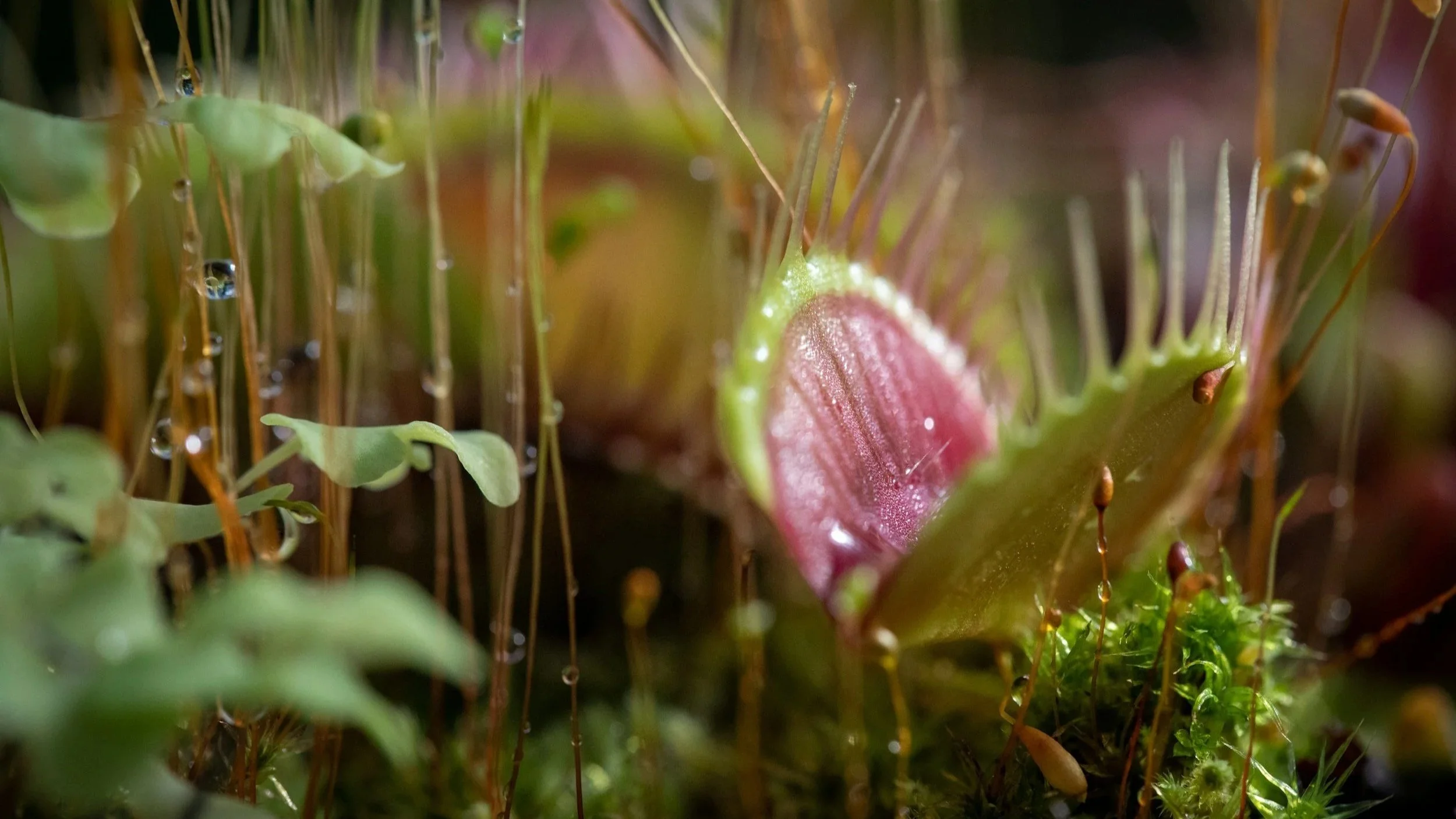
[5:29] Plant number one is the venus fly trout Dionaea muscipula.
[5:37] There are so many ways to say that scientific name, but that's what I'm going with. That's how I've always pronounced it. Don't @ me. I wrote a whole chapter on this plant in my book, Legends of the Leaf, available from my website if you want to check that out. And I really fell in love with this plant because, well, this is a clean show, so I can't use the word, but maybe you'll get the reference if I tell you that this plant has charisma, uniqueness, nerve, and talent.
[6:12] One of the coolest things about this plant is the fact that it needs fire. It needs fire to survive in the wild. So it comes from North and South Carolina, very small area really for this species which has conquered the world in terms of its popularity. It's sold in big box DIY stores and garden centres everywhere and killed by the million. But when it's growing in the coastal bogs where it thrives, it has very specific needs. And they need the wildfires because they do not like to have vegetation above their heads. They need maximum sunlight. There's a clue if you're trying to grow one in your own environment. They don't like that competing vegetation. So occasional wildfires help to burn that off. And at the same time, or even if the top growth of the flytrap gets a little bit burnt, the rhizome survives.
[7:15] Of course, the headline characteristic of the Venus flytrap is the fact that it catches flies, except, of course, flies make up a minority of the diet of the Venus flytrap. It's much better at catching crawling insects, beetles, spiders, that kind of thing, because if you think about the traps, they're positioned on the ground. And while they do catch flies, that's not their main diet. They've evolved this ability because they are in a very low nutrient situation.
[7:46] The soil is peat and sand, it's acidic and not very full of nutrients whatsoever. So using its modified leaves, which actually scientists now think were evolved from its relative, the sundew with those sticky patches on the leaves, they think that that evolved then into the trigger hairs that we see inside the clam-shaped leaves that close up around its prey. And British plant hunters got pretty feral about this plant, it has to be said. In the 18th century when British and Irish folks were setting out for America and looking at plants, they got very excited about this plant which they described as tipitiwitchet. Now I talk in the book a bit about this, this name tipitiwitchet. It has lots of different meanings including a twitching fur stole, a cassava squeezer and a trap for catching rabbits. But I think we could probably you'll work out a more obvious euphemism in there, which seems to be quite well backed up. And I write in the book, Dianaea muscipula waggishly slipped the bounds of classification. Is it male or female?
[9:09] Flora or fauna? Amphibian or land dweller? Intelligent or mindless?
[9:16] And even the name's confusing because the name Dionaea after Dione refers to several different figures in ancient mythology. And also important to note that muscipula doesn't mean fly trap. It means mousetrap. So it's all very silly and confusing and indeed whimsical. And has spawned this huge weight of culture around it. Everything from Arthur Conan Doyle's story, The American's Tale, which was about a man eaten by a giant flytrap in Arizona, where there are no flytraps, and John Wyndham's book Day of the Triffids and Audrey Too in the film Little Shop of Horrors. And I'm sure you can think of more references too. I just think this plant is all that and a box of crackers. It's an amazing species, even if they are rather tricky to grow. I've got one at the moment that my son insisted on me buying. It's just coming alive from its winter dormancy and I'm trying to give it as much light as possible to get it really going. I've grown these before and they are not the easiest thing to grow in your house because they need so much sunlight.
[10:36] And lots of growers also try to give them this very dormant period in the winter where they're kept very cold and allowed to die back although some people have had success just keeping them under grow lights year round and growing them on the other key requirement is that you must must must water with rainwater and they need to be wet to moist at all times so you can't let these plants dry out they will not like it they are used to being in areas with poor drainage and so you need to keep them well soaked especially during the summer but this is number one for me because it is just so incredible to think there's a plant which can move can catch prey and attract prey no wonder this plant is just flying out of every garden center whenever it appears but it's also a plant that so many children desire and then buy and then kill so i am all for educating people about the venus flytrap and how to grow it so please do go and read my chapter on this plant if you can and you'll learn so much more about this wonderful whimsical species.
[12:05] Right, next up plant number two - if Austin Powers was a house plant. This would be what he would be.
[12:10] Gynura aurantiaca. Known as the purple passion plant. If you don't want to get in there and give this plant a good stroke as soon as you see it, then who even are you? It's also known as the velvet plant. It looks like it is set up to furnish a suit for Austin Powers or anyone who loves velvet. Maybe you could make a set of curtains out of this because it's just so gorgeously coloured. I love that shade of purple. It's unabashed. It's gorgeous and it catches the light and you're just, oh, it's just really, really cool. This is one of these plants that you may find a little bit difficult to get hold of. Sometimes it's everywhere, sometimes it's nowhere. I would probably recommend going to a specialist house plant shop to get one if you can and also you can get the variegated form so if you're a variegated plant person and I know there's a lot of you out there you can buy that now personally I just want my purple to be uninterrupted by patches of white so I like the original but yeah variegated plant people go for it if you so wish now the only downside in my opinion of this plant is the flower because it's.
[13:34] Very jarring, can I say. This plant's a member of the daisy family, the Asteraceae, so it has a daisy-like yellow flower, which, I don't know, it looks like somebody has stuck a horrible corsage on a beautiful prom goer. And topping that is the fact that the flower actually smells a bit revolting at times. Somebody on Reddit said that it smells like gym socks plus a festering wound.
[14:08] That's not good. So yeah, the flower is the downside of this one. The other thing about this plant is that it is very sprawling. It's something that you should be taking cuttings of very regularly and growing on from those cuttings to avoid getting a plant that looks like, it's been on a three-day bender because they do as I say they just get out of shape and they don't look good so keep taking stem cuttings so that you've got some new ones always coming along and that way you'll get that new growth with the beautiful velvety purple plush I'm sitting on a sofa in a very fancy hotel kind of vibe pretty easy to look after give it plenty of light but Don't put it with your cacti and succulents and you probably can't go too far wrong. So that's plant number two, the purple velvet plant. Tell me what you think of it.
[15:04] Plant number three is the variegated Gymocalycium, a globular cactus with a colour scheme that makes me think of creating tie-dye t-shirts back in brownies about a million years ago. If you love a cactus but you want something that looks a little bit different, this is a really great choice. If you can buy these in person so you can individually select a really good looking specimen because they do vary quite a lot so you're looking at custardy tones you're looking at orangey tones you're looking at sunset tones and magenta and of course green and each one is a work of art on its own every time I look at one of these I'm just filled with joy they're compact they're not going to take up a lot of room they need full sun do not play with these guys do not put them in a dark corner they will not like it and if you do give them enough light and a decent amount of water throughout the growing season so sort of april to october the colours will be enhanced by that good light the specific species we're talking about here is the Gymnocalycium mihanovichii, which is from South America, specifically Argentina and Paraguay. Bear in mind, this is a variegated cactus, so it's not able to photosynthesize as efficiently as a non-variegated one. So you'll need to bear that in mind in terms of growth rate, but they are just really beautiful plants. And even if they don't grow much, they just look gorgeous. It's worth saying that these are the same species as the cacti that are grafted as moon cactus the difference is that these are growing on their own roots and because they still contain areas of green they will still be able to grow without being on a graft so it's a much more sustainable way to grow this plant because those moon cacti i'm sorry but the grafts so often fail they're pretty short-lived really this is a more sustainable way of doing it so that the plants will grow on its own roots and should last for a good amount of time if you look after them well.
[17:29] The Gymnocalyciums as a genus are known as the chin cactus. I guess they look like a chin, I wouldn't like to say. And if they're happy, they will flower two pinky lilac flowers, which are rather lovely. So yes, I love these. And I think you could do something quite clever with these in terms of a really cool container to put them in. One final note, if they produce pups if they produce tiny babies around the base of the plant only remove those if they've got a decent amount of green because if you take away a pup that is entirely yellow or entirely pink it won't have enough chlorophyll to survive so leave those on the parent plant only remove ones that have a decent amount of green and that will really
[18:19] vary from plant to plant. Now we're up to number four, are you braced for more whimsy? Well, here it comes. It's Iresine herbstii, also known as the blood leaf plant.
[18:34] This plant is just going all out to bring you crazy colours. It comes in a variety of different cultivars. You can tell from some of its common names, the chicken gizzard plant, the beefsteak plant, that you're getting some really interesting colour combos. Some of them have got green leaves with yellow veins and a bright magenta pink midrib.
[19:01] Some of the leaves are dark, dark, blacky purple with bright red veins. There are quite a few different cultivars out there to check out. There's one called Blazing Lime, which, as you can imagine, is green with lime green veins on it.
[19:21] Another one that's listed on the RHS website, which I've never actually seen for sale, is called aureoreticulata, which is very, very golden with pink accents and pink petioles. This plant is quite similar to the Purple Passion in that it's available sporadically and also it's a sprawler, it's a brawler, it's a barroom dandy. So you need to take cuttings of this plant regularly because one minute it'll be looking absolutely fine and then suddenly it's 10 margaritas in and it's looking like something that's just fallen out of a bar. So you need to take cuttings because it just won't stay looking like a tidy plant. So if you like a plant that's tidy and compact, you need to keep regrowing. I mean, it's interestingly a member of the amaranth family, so from South America. And in the wild, it can get pretty large. it can get over a metre tall. I suspect if you're growing it in your house, it's not going to get that tall before it gets very, very floppy. Now, although it's a member of the amaranth family, it is not edible. The only use I found for it was on the Useful Tropical Plants website, which is a very good website, I have to say, which says that the leaves are squeezed in water to get a red dye used for colouring agar jellies. Um...
[20:48] I don't want to say try that at home because I only have one source for that and I don't want to poison you, but I'm just passing on that information. Do with it what you will. I've been loving this species since I spotted it in my childhood houseplant guide, Dr. Hessayon's houseplant expert. And he says that even under ideal conditions, the plants become leggy with age, nip out growing tips occasionally to maintain bushiness.
[21:21] So yes, stem cuttings are the way forward also if you need to keep this plant going long term. Back when this book was produced in the 80s, it says that iricene is a rarity in Britain. I don't think that's the case anymore. They are quite widely spread but probably not as ubiquitous as something like coleus which has similarly entertainingly colourful leaves but I think this is a lovely plant to have a go with. It likes lots of sunlight but maybe don't stick it in a massive south-facing window in July and August because it may protest about that but otherwise it's a pretty easy plant and I just think it looks really cool. If I could get my hands on a whole bunch of these I would definitely be playing around with container planting them set against some kind of green foil like I don't know a hare's foot fern or something very solid that would really provide a beautiful backdrop for the crazy colors of the.
[22:31] And my final whimsical plant is probably not something you've heard of before, but I think it's just the most gorgeous thing. It's called Petrocosmea cryptica.
[22:46] The only name I've seen it given is, I think, one that's just been invented by a house plant shop, which is the whirlpool plant. But I can see that.
[22:56] I can appreciate that. Thank you, Sprouts of Bristol for that suggestion it does look like a whirlpool uh so yeah if you want to call it the whirlpool plant go ahead i would probably call it the fractal plant just because it has this incredible rosette that looks like an incredible fractal pattern that is just mind bending the little flowers are either white or very pale pinky violet color and this plant comes from Yunnan province in China and it's a cool grower so if you have a cool place to grow this one it will do well I've killed one of these before I want to get another one because I let it get too hot but it has just the most interesting way of growing it's like a dinner plate with these leaves growing out so if you know an African violet it's like a more extreme version of the way the African violet grows and I just think it's so beautiful the leaves are bullate so they have little tiny lumpy bits all over them and hairy and to me the most whimsical thing in the world I love this plant if I could grow a whole forest of these a whole ground cover of these I would.
[24:16] And if you're in the UK, I recommend trying to buy these from the North Wales Nursery Dibleys, who do have this plant and various other of its fellow Petrocosmea species.
[24:29] And interestingly, I did learn from the Dibleys website that they're also known as 'pets' for short.
[24:35] And it's really worth looking at the Dibleys information about growing these plants. It does explain that they come from forests where they grow on limestone rocks and you want to give them good light but they do need to be quite cool and they don't like sun so this really is one of those plants that you might do well if you've got a sort of a room that gets down to about 10 degrees celsius that's 50 fahrenheit they might do quite well for you there's also on that page a beautiful display of petrocosmias which must be from a display at a flower show by Dibley's gosh I want them all they're just so amazing if you don't know my love for gesneriads then this is how you found find out but yeah they've got I'm looking on their website right now oh gosh this is so tempting yeah they've got cryptica they've got an interesting one called fluffer nutter oh that's out of stock that's sad because how whimsical is that what's that you're growing jane oh it's just petrocosmia fluff and nutter they've also.
[25:41] Got uh one that has yellowish flowers called petrocosmia chrysotricka which is also called begonifolia which has sort of lemon yellowy flowers um yeah go and sell out the petrocosmia supply of Dibley's please because they really deserve to be grown and they make up my final plant in my whimsical plant selection.
[26:10] I do hope you've enjoyed that. I want to hear about your whimsical plants though. So tell me, send me a note, comment on the show notes, put it on your Instagram. What is your favourite whimsical house plant and why? I love to hear from you and please feel free to argue with me about the choices that I've made. Maybe they're not whimsical enough for you and you'd prefer to grow something else. I'd love to hear about it. That's all for this week's show I'll be back next.
Feeling drab? I name my top five whimsical houseplants to bring more joy into your life.
Venus flytrap
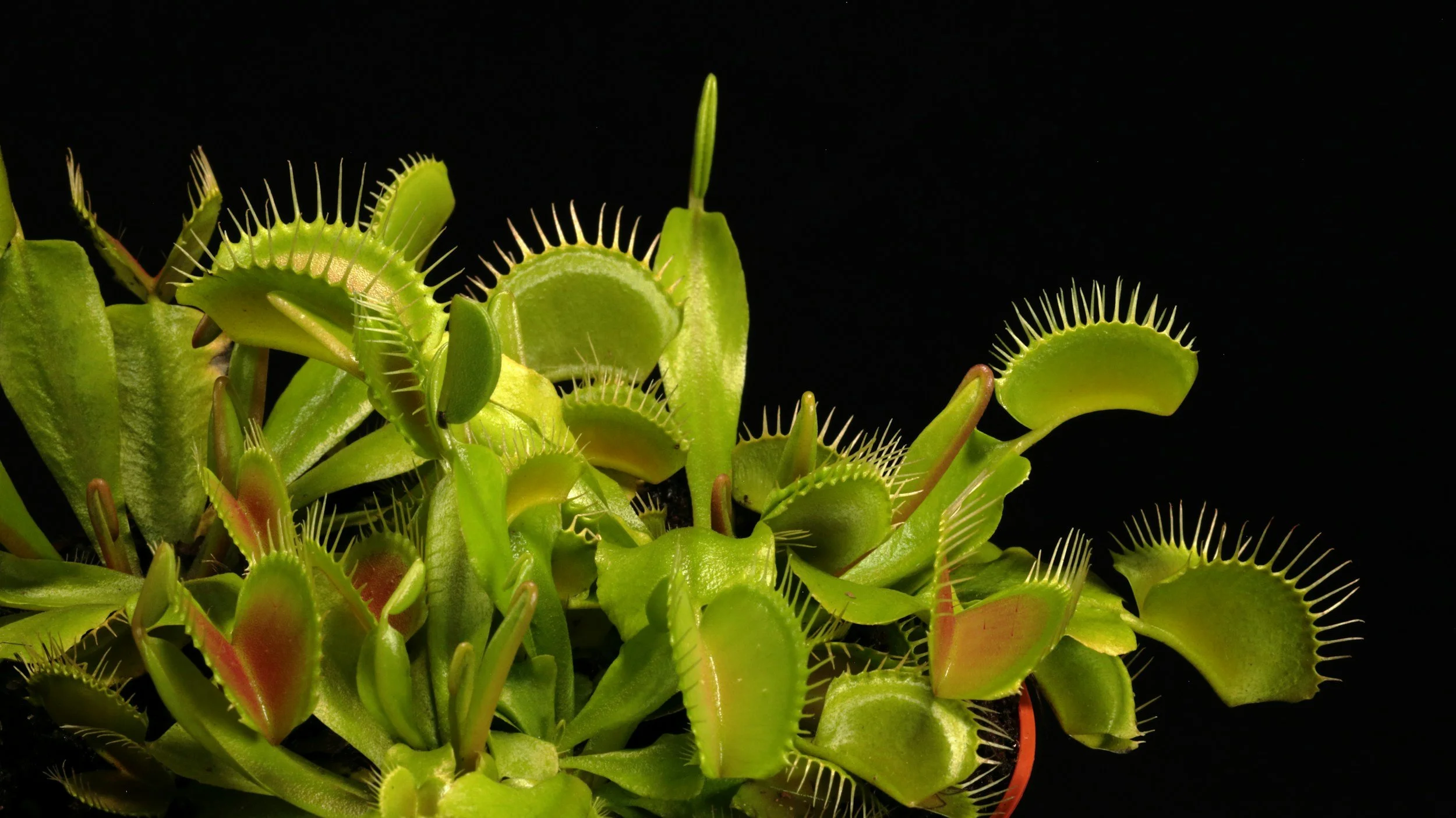
The flytrap thrives on fire - occasional wildfires in their natural habitat of the coastal bogs of North and South Carolina in the US clear vegetation from above the plant, helping it to get maximum sunlight.
Despite the name, flies make up a minority of the plant’s food, which mostly consists of ground dwelling invertebrates.
Dionaea muscipula is the flytrap’s rather confusing scientific name - muscipula means ‘mousetrap’ while Dione can refer to a few different figures in mythology.
Read a whole chapter on this plant in my book Legends of the Leaf.
If you want to grow this plant, give it maximum sunlight and water only with rainwater or ‘soft’ water, keeping the substrate moist at all times.
Purple passion plant
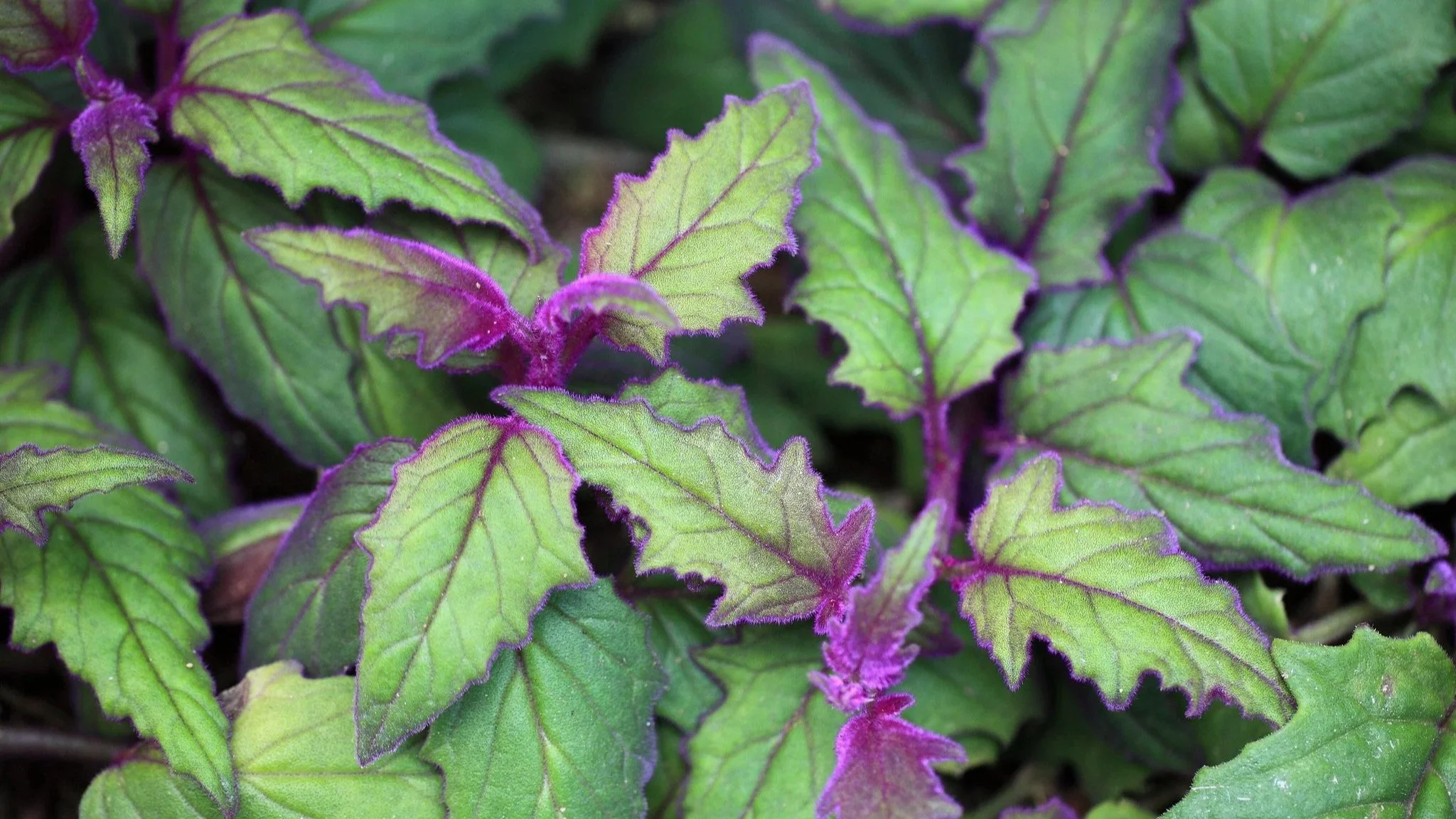
The purple passion plant is gorgeously purple. Photograph: TANAKA Juuyoh (田中十洋) on Flickr
This plant is a member of the daisy family, the Asteraceae, and has a rather ugly yellow flower which I would recommend removing - it also smells funky!
Take cuttings regularly as the plant will soon grow into a sprawling mess.
There is a variegated forms available!
Variegated Gymnocalycium cactus
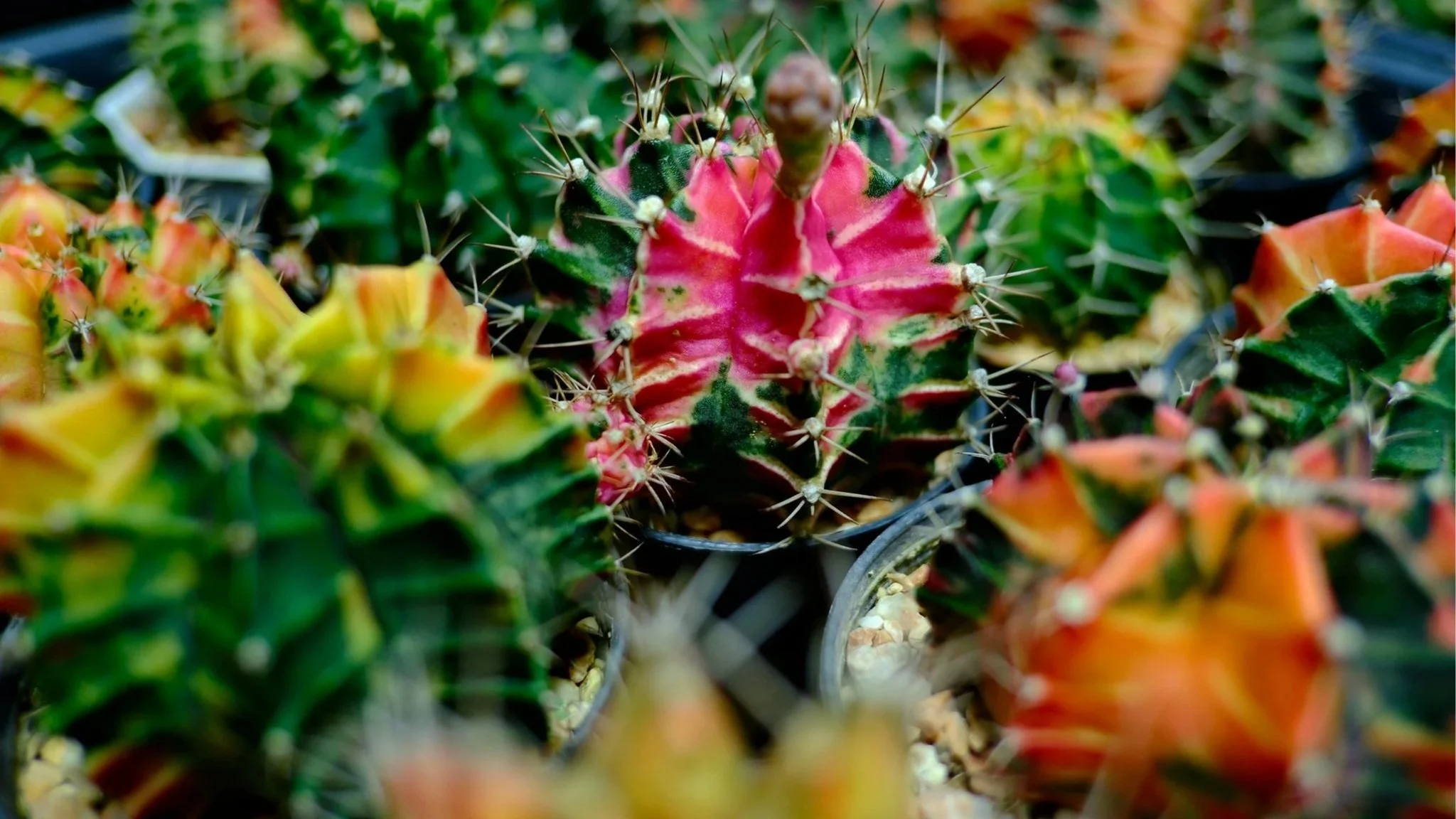
This variegated cactus will brighten up your life. Photograph: Pattaya Patrol on Flickr
The variegated forms of the chin cactus Gymnocalycium mihanovichii are really stunning! If you can, buy in person so you can select a good colourway.
Make sure you give it lots of sunlight to maximise its beautiful colours
The species comes from Argentina and Paraguay.
These variegated cacti are slow growers! If yours produces babies, don’t try removing them if they lack any green tissue.
Bloodleaf
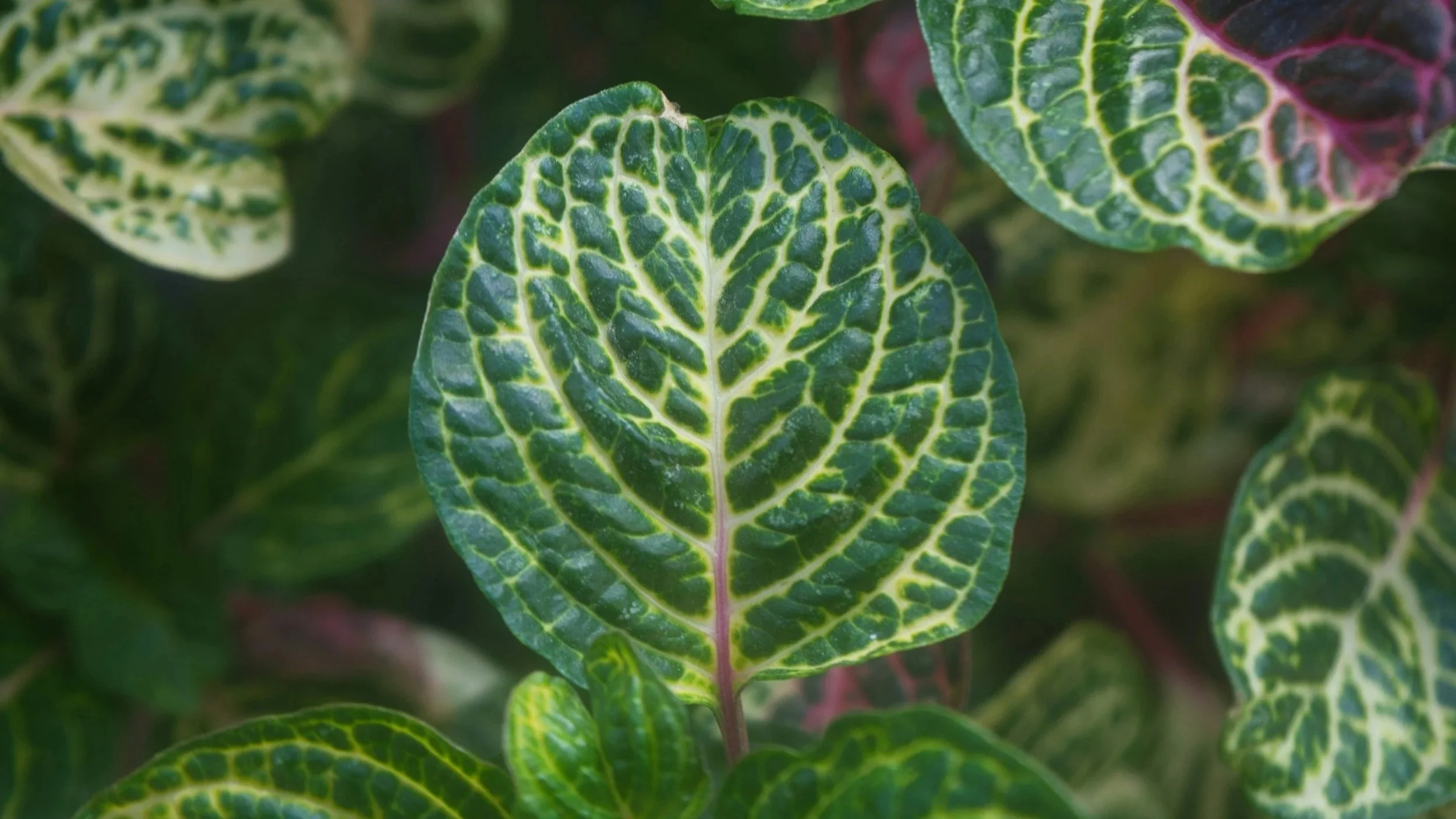
Iresine herbstii is a member of the amaranth family and like the Gynura it needs to be keep trimmed back and take regular cuttings as it does sprawl.
There are red forms and green/yellow forms, all of which are delightfully colourful. Other names of the plant including the chicken gizzard plant.
Petrocosmea cryptica
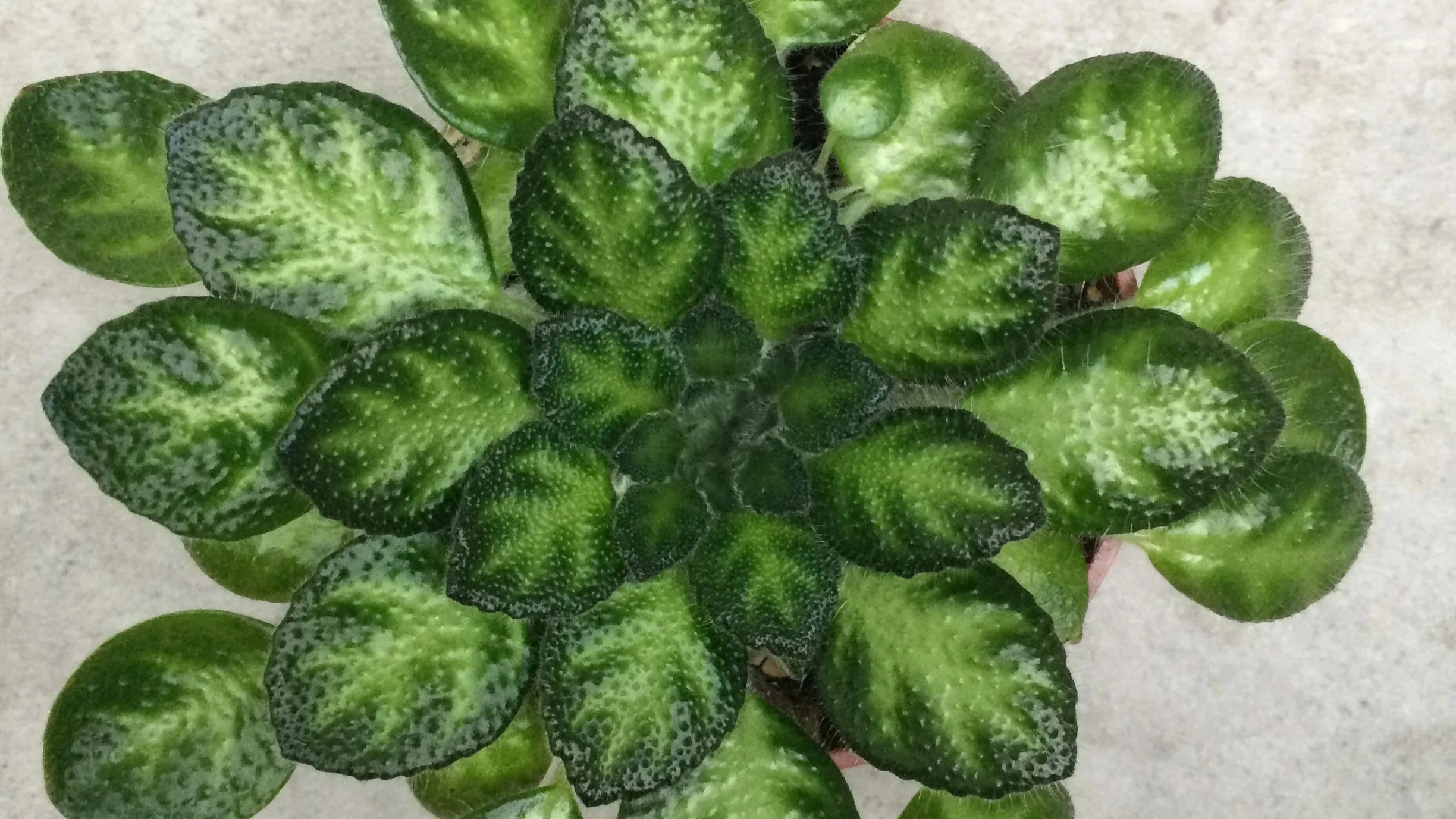
Photograph: Jane Perrone
This member of the Gesneriad family comes from Yunnan province in China and grows in cool places on limestone rocks.
The leaves are bullate and hairy and form a wonderful fractal rosette.
If you are in the UK buy these from the North Wales nursery Dibleys, who sell a great range of these so-called ‘pets’.
Did you know whimsy is good for us? Here’s a reel from Queen Herby that I mention in this ep…
CREDITS
This week's show featured Whistle by BenJamin Banger (@benjaminbanger on Insta; website benjaminbanger.com) and The Road We Used to Travel When We Were Kids by Komiku.