Episode 326: Planning your dream greenhouse
Transcript
Jane Perrone (00:09) Leslie, thank you so much for joining me on On the Ledge Podcast. We're here to talk about the thing that every houseplant grower dreams of having at some point in their lives, which is greenhouses. You've produced a beautiful book on this topic, and I'm looking forward to getting into this with you. What was it that made you think this was the moment for a greenhouse book?
Leslie (00:33) Yeah. Well, first off, thanks for having me back. It's been a minute and it's always great to catch up with you. So thanks for having me here. And yes, I I chose the title of the book, Home Greenhouse Revival. I used that word intentionally for a couple of reasons. I felt like when I was asked to do this book by Quarto, Cool Springs Press, because of my background, because of my expertise in this area, I agreed to do it because I thought, you know, I was already f sensing and feeling.
Greenhouses were were kind of coming back around and ready for another new moment. You know, I mean, gardening as a trend is is very embedded in society. It doesn't go anywhere, right? It doesn't leave us. But there are certain activities within gardening that, you know, cycle in popularity and and and and go and then come back around again. And I feel like this is another one of those moments for greenhouses for a number of reasons that we can get into. And secondly, I use that word revival because I think a lot of people.
Have tried and not succeeded the way they wanted to with greenhouses because they just didn't know what they didn't know about managing environments in greenhouses and or or didn't know what they needed to know to choose the right design, build, you know, materials and and didn't have good luck. And now that greenhouse has become a storage shed in the backyard. I see a lot of those. So I so I I I thought it was a good moment for many reasons to
Offer up new detailed education about growing in a greenhouse that people don't have a lot of access to, but also to to reinspire and encourage those who tried and didn't succeed. I wanna give them the information that they can use to revive their existing greenhouse as well.
Jane Perrone (02:17) I'm so sad when I'm I'm such a nosy parker. If I'm going along walking a dog or something or on a train and I see a you know an abandoned greenhouse, I'm always like, missed opportunity there because
there's
Leslie (02:28) I know.
Jane Perrone (02:29) so much potential, but lots of people just can't make it work, don't make it
Leslie (02:33) Yeah.
Jane Perrone (02:34) work. Maybe there's lots of reasons why, which we'll get into. I guess that is the key. These decisions that you make at the very start of the process before you invest that precious cash can
Leslie (02:44) Yes.
Jane Perrone (02:45) make such a difference. So
If somebody's maybe wanting to start again or wanting to revamp an existing greenhouse, w what are our considerations here?
Leslie (02:55) I'm going to take a very different approach. The the thread of the conversation I've created in this book starts with the plants. You must take a plant-centric approach to greenhouse decisions first. Most people do not do that. You get very wrapped up in the aesthetics, the type of greenhouse you want, the build, the materials, you know, where it's going to go. And all of those things are crucial. And I dive into those in the book. However, I can't tell you how many times I've been brought in to consult on a
very expensive greenhouse setup only to have to tell those people this isn't actually going to grow what you wanted to when you wanted to. The systems aren't adequate. The HVAC system or cooling is not adequate, what whatever it may be, or they should have chosen a different type of, you know, heater, whatever, whatever it is. so you have to really start from the horticulture. You have to start from getting to know the plants you want to grow. When do you want to grow them? What are your expectations and goals?
Get to know those plants in terms of their environmental requirements, then reverse engineer your greenhouse choices based on that. And you might discover you're going to end up with a very different greenhouse than you dreamt of. But it's hard to detach from that dream, right? Because having that greenhouse,
Jane Perrone (04:10) Mm.
Leslie (04:11) the beautiful glass Victorian, you know, greenhouse is just in our
Jane Perrone (04:14) Ha ha.
Leslie (04:15) heads and we fantasize about it. But that might not be the right greenhouse for you
based on your region, your location, obstructions, and what you want to grow in what season. So that the plants
Jane Perrone (04:28) Yeah.
Leslie (04:28) always have to come first and then we can get into the logistics of talking about where they need to go and how you control the environments.
Jane Perrone (04:38) You're so right. It's such a sort of nostalgic thing. I think, you know, we've all been to those gardens with amazing greenhouses and just thought, if I had endless money, I'd have one of these. And we want
Leslie (04:48) I know.
Jane Perrone (04:48) to kind of recreate a slice of that in our own homes. And as you say, I mean, lots from my visits to gardens with those very greenhouses, lots of those greenhouses, those gardens are saying, these greenhouses aren't really working for us now, right? Because
Leslie (05:03) Correct. Correct. That happens
a lot. Yes. Well, and I think, you know, again, you have to really get real about about your goals. And I think that's how you can have success and satisfaction with a greenhouse is
Yes,
I I would love a beautiful, fancy glass greenhouse. I've just moved from Texas to Oregon. I've just relocated. So the irony of my situation right now is I have no greenhouse because I've just bought this new property, just moved onto it. And so I need I will be starting this greenhouse journey again with all of my readers. So that's I'm looking at it as kind of a fun thing that I also have to to start over. But I am surrounded by 200-foot Douglas firs, which I'm very privileged to now be taking care of.
I have a wonder spot wonderful spot for the greenhouse, but in proximity are those large trees, which could drop branches that could fall on glass, and glass can be a problem. So glass may not be the choice that I make for my location simply because you know there are other safety, you know, risks, you know, that that might come with that. There's certainly heavy duty safety glass you can get. It costs a lot more money. But you know, you have to think about all of those things when choosing.
And you know, the question for me is, is the beautiful Victorian glass greenhouse the most important thing, or is getting the produce that I want at the time that I want it or taking care of my tropical orchids or whatever it is that your goals are, if I can accomplish that, ultimately that's how I'm gonna be happy with a greenhouse. And it's gonna continue to be functional versus a sculptural piece in the a very expensive sculptural piece in a garden, right?
Jane Perrone (06:40) Yeah, because you do see a lot of these glass houses now that don't actually have many plants in them at
Leslie (06:45) No.
Jane Perrone (06:46) fancy places where it's mainly just a dining area or they're being used in other ways and they're not actually packed with plants as we would have them at home either, which I guess is a reflection of the fact that they are this beautiful space, but not necessarily ideal for for growing productively or or growing something something beautiful. I mean there's also I think the other thing that that
I think people get blinded by is just the tyranny of choice now, in
Leslie (07:13) Yes.
Jane Perrone (07:13) that there are so many different, as you say, types of glass, glass or non-glass, designs, materials that that can blow us away. I mean, I guess if somebody's on the budget end of things, I've also seen a lot of people recommending, well, you know, go on gumtree or, you know, whatever the equivalent, you know.
free more mo cheap marketplaces and buy a second hand greenhouse. But I imagine that comes with a whole range of challenges too, even if you've saved a bit of money on the actual purchase.
Leslie (07:48) Yeah, I mean you have to you know, the integrity of the materials of that structure and the glazing and when I say glazing, I'm referring to the covering, be that glass, you know, sheet polyfilm, corrugated plastic, you know, whatever it is that you glaze the greenhouse with, right, those can deteriorate over time. And so if you're buying a greenhouse, you know, with plastic, some form of plastic glazing, you know, you may end up having to replace all of that anyway. So, you know, i if
the
greenhouse you're buying secondhand has good bones and good sh you know structural materials, then great, that gets you a a good distance of that journey. and you can still save money that way. But you know, I often get asked, well, what's the best beginner greenhouse to advance? And I don't actually, I don't feel like there's a linear path there because again, it goes back to what do you want to grow? What are your goals? What are you trying to keep alive in the winter? What are you trying to harvest out of season?
And so certainly there are easier, less expensive builds, and there are fancier, more expensive builds. And along that spectrum is going to be the right fit for you based on what you want to grow. You can certainly build your own. There are many companies out there that will build for you. There are so many more options available to people now that I do think it gets overwhelming. And that's why I wrote the book the way that I did. I walk you through the decisions that you need to make when considering materials.
Placement, a lot of that's going to have to do with your climate, your property, how much space you have, what's the sun exposure, the orientation that's ideal, and you know, do does it require permits for building? A lot of people don't consider that. And people have ended up having to remove their greenhouses once that becomes a building code violation that gets reported. So you want to be careful about that too. So I think.
For somebody just getting started, you really need to educate yourself on the types of greenhouses that sustain certain types of environments. And what I've done in the book is break down categories of greenhouses by temperature capacity range, right? Things like glass lose more ambient heat. So if you need to keep heat in more, that might not be the best glazing for you. Just depends on what you're trying to accomplish. shape.
impacts environment. A geodesic dome, for example, loses the least amount of ambient heat. So if you're in a very cold climate, the shape matters. If you get heavy snow loads, the shape of the greenhouse roof matters. Something like a gambrel roof is going to be a better fit for you. Foundations, you know, you need to think about are you in a place with permafrost or is it warm? Do you need more ground insulation?
If your goal is mostly winter gardening, then obviously heating capacity and insulation is gonna be important. If you want to go passive solar heating, you need to have space in that greenhouse for water barrels that can absorb heat and let it off at night. Most folks don't account for space. Most people regret going too small. Wish they'd gone bigger from the get-go because they
Jane Perrone (10:55) Mm.
Leslie (10:57) didn't really plan out what they wanted to grow and how much of it and then what type of environment they're creating. So
I walk in the book through all of those decisions for you to help you retrofit the best type of greenhouse, which you can then DIY build yourself. There are so many companies that offer DIY kits of all of these configurations. You could also work with a local contractor, buy a DIY kit, have them come help you install it. And then of course, you if your budget is unlimited, you can certainly have somebody come build a custom. But I will again, I will tell you.
Greenhouse
building companies are not necessarily taking the horticulture or the plant growing of your desires into account when building a greenhouse. They have their specs, they have their greenhouse builds. You need to make sure something like that is going to heat and cool adequately or provide supplemental lighting. Do you have power? Do you have water? So there's all those considerations that you need to take into account before you ever
decide which way to go. And sometimes you might realize that something that's slightly more utilitarian and less fancy looking might serve both your plant growing and your budget needs much better.
Jane Perrone (12:14) Hmm. And I'm I'm assuming that most of our listeners are gonna be the kind of people who've maybe got a plant collection that is spilling out of their house a a tender
Leslie (12:23) Yes. Yeah.
Jane Perrone (12:25) houseplant kind of collection. So presumably those issues about as you as you say, you might end up with something more utilitarian because your major concern in the temperate climate that you or an I are in, and at least, is the is the the keeping the temperature at a decent level in winter.
Leslie (12:43) In
winter.
Jane Perrone (12:43) And possibly
now the way things are going, certainly in the UK, making sure that it can be cooled in the summer. it seems like
Leslie (12:52) Yeah, and I think I
think I will say everybody focuses on the w winter temperatures when it comes to gardening. Yes, but to speak to tropicals, you know, with the plantemic and the boom in houseplants again, people's plant collections got big and a lot of people ended up starting cottages, cottage businesses from the and they want to propagate and grow. And so I see a lot of demand for greenhouses for specifically for that reason, either overwintering tropicals or creating a space to grow and sell.
you know, your your own plants. So certainly you're gonna need something that can be balmy to tropical in my temperature categories through the winter. And I help you figure out which materials, which shape, what type of glazing, and what type equipment that you would need to accomplish that temperature range based on the plants you're trying to keep alive over the
winter. So that, you know, that can be done much more simply. It can be done in a fancy, expensive way. I think we're greenhouse growing
becomes an obstacle for many people is actually the summer because people think that greenhouses need to be operating 12 months out of the year. That's what you're supposed to do. I should be able to keep things and you know grow and harvest and everything should be beautiful and wonder wonderful year round. Cooling a greenhouse is much harder than heating a greenhouse. And you know I've been in a super hot, intense climate for the last 30 years, right? So summer is it's much harder and much more expensive to cool that greenhouse.
So
I would suggest that you need to broaden your horizon when thinking about this. It's not just about winter. It's not just about keeping that greenhouse warm in the winter. It's if you plan on keeping things in it through the summer, can you cool it adequately? that's a big and and so for example, a taller greenhouse, it's much easier to control the environment and it's easier to cool a taller greenhouse. A smaller greenhouse, it's much harder to control the environment.
Has to be vented a lot more often, right? So in the summer, a smaller, shorter greenhouse is actually gonna be a lot harder to cool than a taller greenhouse. But that's counterintuitive to a lot of people,
right? So, but I talk about all of that in the book. So cooling is pretty important. And I'm gonna give everybody permission to take plants out of their greenhouse in the summer and move them outside. And people don't realize that that's what they can or should do. But look, once temperatures
you know, get over 90 degrees Fahrenheit in your greenhouse, it's nothing's gonna be happy. Nothing's gonna be happy. heat stress is cumul cumulative in plants. So it's not just that you had one hot day, that that that damage is cumulative. So cooling is important and understanding the cycle of your environment, climate, and when certain plants are gonna be happy inside that greenhouse. For example,
when it's very hot in the summer and you're trying to keep all of your sip potted citrus in a greenhouse, I guarantee you all you're going to be doing is breeding scale insects, right? That's it take the citrus out in the summer, right? When it's hot. So, but
a lot of folks, that's where they kind of struggle with those concepts. So I teach you all of that in the book.
Jane Perrone (15:59) Yeah, that's a really good point. That it's so it's you know, we're it's only gonna get more extreme our weather, isn't
it? We know that, and so we have to start accounting for that in in things like this,
especially something like a greenhouse, which is a considered purchase that's going to hopefully last for a decade or more
in that situation. You know, it if we don't incorporate
the future the future climate in there, we're gonna be in trouble pretty soon. one thing I've seen a few of you know, going around looking at greenhouse trends, and I don't know, I've I've seen sort of conflicting advice on this, but I've seen one account which has got like a a a greenhouse that's half buried in the ground and the and then somebody else saying, that really I've just built one of those and it really didn't work and sort of controversy around this idea.
Can you just explain why that would be why that might work or what the what what the da ups and downs of like one of those s semi subterranean greenhouses might be? Mm-hmm.
Leslie (16:59) Sure, a sunken, a sunken greenhouse, right? Or a sunken
foundation. So essentially we're talking about insulation, be it warm or be it cooling. So say for example, you're in a climate, a very cold climate where you have permafrost in the soil. Like think about Alaska. A lot of people greenhouse grow in Alaska, but you've got permafrost. So that top 12 inches of the soil can freeze, right? And then you lose that it's going to be hard to keep that greenhouse warm. So
Going
down, right, sinking the foundation allows for some insulation, right, at the foundation and soil level. Conversely, you can get some cooling effect from sinking a greenhouse when you have hot summer temperatures. That that can help. So, but the reason it might not work for different people is that their conditions may be very different, their environment might be different, their exposure might be different.
You know, it just depends on, you know, how much direct radiation, sun radiation that greenhouse is getting at what time of year and where the sun angle is, and you know, what the soil temperatures are like in given seasons. So there is no one solution fits all with greenhouses. It is all about your local weather, climate, temperature ranges, you know, soil, all of those things.
that you have to take into account to figure out what kind of internal environment can you create or when can you stop controlling it. Because, you know, with HVAC systems, air conditioners, you know, you can really only get 15 to 20 degrees of temperature reduction control. So for example, for somebody like me who's been in Texas for a long time, you know, when it's 106, 107 outside, you know, obviously temperatures are gonna be even hotter inside that greenhouse.
And even if you're running air conditioners, you're still not gonna be in a great temperature range for the plants nor yourself. You're not gonna wanna be in that greenhouse unless it can be opened up and completely vented for the summer. So you have to think about all of those seasons and what's gonna work for you. And if if sinking a greenhouse makes sense from a cooling and a heating perspective, then that's a good option to consider.
Jane Perrone (19:22) And are there sort of new materials and designs coming on the market all the time? Presumably there's lots of innovation happening in this industry because it's a a big
industry. Are there like new things that you're seeing coming on the market that you're excited by or any kind of I don't know, I've seen sort of you know like frameless glass houses and all these kind of things, and I'm always looking at them thinking, okay, is that more kind of like trend over substance here? A lot of these new innovations, or are we looking at an
apps and a revolution of things that are actually gonna possibly make a good a good addition to the glass house world.
Leslie (20:01) I'm I'm gonna give you the answer I give a lot of my students when when it comes to this is it depends. It depends on on your area. you know, when it comes to a gre a greenhouse that's fully glass, right? That there's not much structure there, you're gonna lose a lot more heat in a structure like that in the winter. All of those building materials, be they wood or galvanized steel or aluminum, hold some heat and also trap some heat. So the more glass you have.
the the more heat you're gonna lose ambient heat leakage. It's nothing is a totally closed system. And when greenhouses heat up, you have to vent them. So you're always gonna have some sort of passive air exchange, you know, to keep things healthy. So you know, in a climate that gets heavy snow load, something like that's probably not gonna be very good for you. You
may you I a lot of the newer kind of accessible, nice looking kits
They've got heavier duty framing than was previously offered. A lot of the earlier greenhouse kits were very kind of flimsy aluminum frames. They're they're offering a lot more sturdy, heavier-duty aluminum frames. You also have to think about if you're supporting, like, let's say, heavy-duty safety glass, you know, a wood structure might not be adequate strength-wise to hold that up. You may need to go to
Like galvanized steel or a heavier duty, heavier gauge aluminum frame. There are all of those options out there now. So anything that seems kind of new or trendy to you, do your research on whether or not those materials and glazing are appropriate for your climate, your weather, what you want to glaze with, because it's plastic film is very light, thick safety glass is very heavy.
Your frame needs to support it. Does it need a foundation once you go to those heavier materials? So there's yes, there's lots of different cool options now. The where I see them going is they're getting more specific to specific climate needs. So you will see a lot of the newer greenhouse kits available are configured specifically for like heavier snow loads and weight, which
You know, climate change is not just about heat, it's also about cold extremes. We get extremes on both ends. And so snow loads, storms, heavy rains, flooding have gotten a lot more extreme as well. So on both ends of the spectrum, you're gonna see different options available. You need to be focused not just on the aesthetics, you need to be focused on your climate and weather, and will those materials hold up. If you
just want something to entertain in. You're just looking for a sunroom that you want to put pretty furniture in and candles like you see on TV and all of that. that's fine. You're probably not going to be hanging out in that space in summer. I can tell you right now, it's not going to be pleasant.
Jane Perrone (22:57) Ha ha ha.
Leslie (22:59) but people don't think about that. So yeah, I I think a lot of the newer trendy greenhouses being pitched as greenhouses and entertaining spaces. I'm
I'm always gonna give you a healthy dose of skepticism on that.
Jane Perrone (23:14) Ha ha
Leslie (23:15) There might be a few months here and there in the year where you can cohabitate, you know, in that space. otherwise it's generally either gonna be okay for the plants and not okay for you, or not okay for the plants or you if it's really hot. So I
Jane Perrone (23:30) Yeah.
Leslie (23:30) be careful with those configurations because if you really expect to be growing a lot of plants in those hybrid entertaining room greenhouses, I think there's often a lot of disappointment there.
So
just be careful
Jane Perrone (23:42) Hmm.
Leslie (23:43) about that.
Jane Perrone (23:54) I also often see people, this is more on the kind of food growing and allotment side, but you know, a lot of I'm sure this is the same in the US. Like a l lots of these kind of like big box stores sell these like really cheap
Leslie (24:11) Mm.
Jane Perrone (24:11) portable greenhouse kit, and it's like 50 bucks or a hundred bucks or whatever.
Leslie (24:15) Right.
Jane Perrone (24:16) And people put these up, and I always just
think, my gosh, like it's gonna be it's gonna be in the next street when there's a storm. Like those kind of sometimes
Leslie (24:26) Yes.
Jane Perrone (24:26) those kits are so appealing because you think, well I can't afford to spend, you know, thousands
Leslie (24:30) Right.
Jane Perrone (24:31) of bucks on a greenhouse, but I can afford this. But kind of a false economy because ultimately you get you do get what you pay for, right? I mean, I guess in certain settings it might be okay if you can anchor it down properly and but
ultimately I think a lot of people get so disappointed with those cheap, cheap, very cheap end of the markets. I unless you've got some
Leslie (24:53) So it's
Jane Perrone (24:53) ideas.
Leslie (24:54) it's always about managing expectations up front. You
Jane Perrone (24:58) Mm.
Leslie (24:59) know, it's very easy to get sucked into, this is a cheap accessible kit, and then that's all you focus on, instead of thinking, okay, will this kit hold enough heat or can I cool it? Will it create the environment that I need for the plants that I want to take care of? What's going in that greenhouse?
Are you jump starting seedlings to get your veg garden growing earlier to maximize your harvest period? if you're just doing that, you know, then that that might be fine. But if you have high winds or rain, yes, you also have to think about anchoring those down. If let's say you're a tenant, you're you don't own a home and you're a tenant and you're renting and and you can't really put in something permanent, you know, certainly there's still things you can do.
With those cheaper kits. I don't want to discourage people from just not trying them at all if it will work for what you need. But yeah, you do have to anchor them. Oftentimes, what I find is that you kind of have to reinforce them. I'm like, you can build a greenhouse DIY greenhouse out of PVC pipe, but you should probably be reinforcing that with like steel rebar inside that PVC and anchoring that to the ground. That could still be removed, but you've got a better chance of that greenhouse both staying upright.
You know, they'll
fall over on your plants and damage your plants or blowing away. Yes. again, having lived in Texas, the land of like it's windy all the time and there's tornadoes and there's torrential storms constantly, and the wind is crazy. Like, wind is a major consideration in everything you build, you know. So it just depends on your location. you know, if they if you're buying one of those little lean to mini.
you know, plastic setups that's gonna go against the house. You know, those are fine for a little bit of small amount of temperature protection for something. Maybe you're just hardening things off as they go outside, or there's certainly no reason you can't get good use out of those things. You just have to manage your expectations up front as to what you know, you're not it's not gonna be a tropical paradise in you know, in that
little mini rickety, you know, but but it could help you get some things through the winter.
that
you need to get through the winter. And I talk about in the green I talk about in the book, you know, cold and unheated greenhouses. What are they useful for? What can you grow in them? So there's a range of possibilities. You just have to be realistic about what it can do, how long it's gonna last, how sturdy it is in your weather conditions. If you've got heavy snow, yeah, probably those are not gonna be great for you. So yeah.
Jane Perrone (27:28) Yeah, absolutely. And I think that's the thing, isn't it? That
a bit of patience and a bit of time spent planning, like
Leslie (27:35) Yes.
Jane Perrone (27:35) rather than rushing into these things can allow better choices that will pay off in the end, even though it's kind of boring. It's kind of it, you know, it's kinda well I think people like me, I'm like, I just want to rush ahead. I want to do get it started
Leslie (27:47) I know.
Jane Perrone (27:48) now. Whereas I'm I'm like, no, I've got to make all these decisions. That doesn't sound like very fun. But actually it works out more fun in the end because you're 10 years down the line you're still growing in your very well
Leslie (28:00) Right.
Jane Perrone (28:01) planned group
Yeah.
Leslie (28:03) Well, and that's,
you know, honestly, that's why I d I don't have a greenhouse up yet here. We've been here for two, three months. You know, we obviously have a lot of things to take care of with a new house and property and you know, everything that goes into that. And I have a spot worked out, but I'm I'm you know, all I want to do is rush into building a new greenhouse, but I'm holding off because I don't feel I've been here long enough yet to really determine. So I'm watching my sun angles, I'm watching obstructions in shade.
I'm looking at temperature load. I need to evaluate kind of the soil and grade where I want to put my greenhouse and make sure it's going to be stable for it. where do I want drainage to go? Do I wanna build a permeable foundation and try to collect that water? Do I wanna build a concrete foundation with drains? And if so, where is that water gonna go? I have a lot of things to think about and I so I'm having to hold myself back from that very thing and say, no, I'm gonna
Wait a little bit. I'm gonna monitor my environment and my property and figure out the smartest choice for me. Not that you can't stage. You may go with something less expensive, a little more less pretty to start to get you going. And then once you have success and you're learning how to do it, then you might upgrade. Another option I'll give people because you may want to grow things that have very temporary.
Different temperature requirements. And zoning a large greenhouse can be a little more complicated or expensive. But let's say you have a smaller kit, but maybe you have room for a second smaller kit. There's
that's a great way to have different zoned growing spaces by using the smaller and inexpensive kits. And if you have room for two of those or three of those instead of one big greenhouse, maybe
a couple of smaller ones might suit your needs. And that's a great way for you to.
budget to be a little bit more budget friendly, start out smaller, and then you can add or expand as needed. And I think that's something else
that doesn't occur to people.
Jane Perrone (30:06) Yeah, and and I think it's one of those things it's like, well, I've I feel like that with sheds. It's like once you start
Leslie (30:12) Hello.
Jane Perrone (30:13) realizing that you can have more, then it's like, I can have another shed. I can have this, I can that. Yeah, exactly. More and more. Yeah, if you've got the space
Leslie (30:17) You can have three greenhouses, right? You know, so yeah, yeah. So it just comes
yeah, it comes down to what you need to grow and what temperature range that you need to, you know, and and and light and all of those things that I teach you all about in the book.
Jane Perrone (30:28) Yeah, yeah. Absolutely.
Yeah, well it's a really, really great book. I mean it's it's very inspiring. one of the things that's scary in it though is the pest section. And this is something that I think in in
Leslie (30:40) Yes.
Jane Perrone (30:41) glasshouses, in greenhouses we are i it's is it a shock for some houseplant people when they get their first greenhouse how the pest of management works in a glasshouse?
Leslie (30:53) Absolutely.
And I would say pest and diseases probably are are one of the things that maybe shut people down sometimes because
Jane Perrone (31:00) Mm.
Leslie (31:01) you don't realize that you are now it's like when you veg and fruit garden in your backyard. You know, you've put a grocery store in the backyard. Well, of course, nature's gonna show up and say, hey, thanks, and they're gonna take half of what you're growing. I mean, that is just the same thing. You you create a greenhouse and you create this perfect environment without any predatory insects in it.
without nature, wind, rain, you know, to get rid of certain things that would normally self-manage outside. And now you've got an explosion. You've got the perfect environment for an aphid outbreak or scale or thrips or, you know, fungal, you know, powdery mildew, botrytis,
Jane Perrone (31:36) Mm-hmm.
Leslie (31:37) you name it. so yes, you have to prepare yourself that when you create the perfect environment for pests and diseases to thrive, they are going to be there. So I I I you know, I don't know.
If you know me and you know my books, you know I like reference tables. And I've got a bunch of good tables in this book. And I built you
a big reference table for pests and diseases that you will most often encounter in a greenhouse environment. But I'm always going to tell people that prevention is is always the best medicine. So if you we call it biosecurity in the greenhouse growing industry, you have to be really observant, pay attention, monitor continuously, scout your plants, look for signs and symptoms.
yellow sticky cards are a great way to monitor pest wise. And then you have to get brutal. If something is highly infected or infested, just get it out of the greenhouse, you know. And a lot of people don't want to sacrifice, but you gotta call the week. That's very important. And then learn about treatments from the least harsh to more extreme, right? You always want to start with the least impactful, negatively impactful treatment. But
A lot of things can be managed naturally. And you know, guess what? You can use beneficial predatory insects inside a greenhouse very successfully. It's a great part of IPM, integrated pest management, that I talk about in the book. So there's a lot of ways to grow organically and naturally in a greenhouse. You just have to be really diligent about monitoring and making sure you're not letting anything get out of control. So keeping your greenhouse clean, keeping the weeds out of it.
you know, not letting excess humidity build up. So venting and air circulation is really important. all of those things I go into. So again, it's kind of like that stuff gets out of control when you don't know what you don't know. So if you do your research first and learn about these things, and then just be careful. Any plant you're bringing in the greenhouse, you need to check it for hitchhikers, you need to check it for disease. So if you're doing all of those things, that's gonna help. Are you never gonna have a pest or disease problem? No.
There's always gonna be something that that crops up. You just have to stay on it. That's going to become more of an issue. depending seasonally, you know, what conditions are right for what pests and insects. You know, spring and fall things are a boom. You know, it's in summer when temperatures are really hot in that greenhouse, like I said, scale can just blow up on you on certain plants like citrus.
in the winter when it's cool and there's condensation, botrytis on foliage and flowers is gonna be a bigger issue. So you also have to learn the seasonal cycle of the pests and diseases and what environments are the best for them and manage that as well.
Jane Perrone (34:22) one of the unexpected pests I had in my greenhouse in the past year is a neighborhood kitten who decided to climb
in through the window and cause havoc. I was like, I was not this
Leslie (34:33) Hold on.
Jane Perrone (34:34) is not the kind of pest I was expecting to suffer from, but fortunately managed to get back out. But yeah, it was just like why is everything everywhere?
Leslie (34:41) Well, you know, ro rodents rodents are a are a greenhouse
pest that not a lot of people think about. But rodents in a greenhouse
can be a big problem and they can chew through irrigation lines and they can,
you know, wreak their own havoc. So, you know, sometimes having a kitty cat around is not a bad thing if you happen to have rodents. So so again, y
Jane Perrone (34:55) That's true.
Leslie (34:58) that might be a predatory you know, control
Jane Perrone (35:01) Ha ha ha
Leslie (35:02) measure you might wanna bring in. So, you know, there's a lot of greenhouse cats out there and they're there for a reason. So, you know, yeah. So
Jane Perrone (35:07) Yeah, absolutely. Absolutely.
Leslie (35:10) Lots of things to think about on
that end. Yeah. So you might need to have him back
Jane Perrone (35:14) Well it's been a delight
Leslie (35:15) if you discover you've got little meeses.
Jane Perrone (35:20) Yeah, exactly, exactly. think it's grown out of it now, it's realised that it's not such a sensible thing to do. but yeah, it was a a young cat that was just exploring, so that was quite funny. Yeah, it's nice and warm in there.
Leslie (35:30) Well, and I'm sure it was a cozy environment. So, you know, probably a smart smart little kitty. I
mean, why not? Wouldn't you?
Jane Perrone (35:35) It's not surprising. Exactly.
Exactly. Well, i is there anything else from the book that we need to know? Is there any any other gems of wisdom that you want to pass on, Leslie, other than obviously buy this wonderful book, which we
Leslie (35:47) Well, yeah.
Jane Perrone (35:48) will put details of in the show notes?
Leslie (35:50) Thanks.
So I think where I really tried to make this book differentiate from a lot of the other greenhouse growing and hobbyist books that are out is the very detailed, accurate plant growing information. A lot of greenhouse books go into all the things we talked about on how to build, you know, a lot of building specs and environmental control specs, but they're pretty light on specific growing information. You still mostly get things like bright diffuse light, which, you know, I'm gonna say is
Completely useless to you, you
Jane Perrone (36:21) Ha ha ha.
Leslie (36:22) know, when you're talking about a greenhouse. So the cool thing is I've got about 75 very detailed plant profiles in the book where I give you, you can, you can take any of that and not use any of the specifics yet if you're a beginner. But once you start to get into it and you start learning about the things I teach you in the book, like specific light levels and intensity, PPFD, DLI, I give you all those measurements. I tell you, I give you specific humidity and VPD.
Vapor pressure deficit, which is what you really need to understand in a greenhouse
Jane Perrone (36:49) Mm.
Leslie (36:50) for each and stage of plants. I even give you parts per million on fertilizers if you want to get really exact about it. You don't have to, but you can, it's all of that's there. So all the very specific growing information I provide, I think is is what you don't find in a lot of other greenhouse books. And the cool thing is, as in all my books, all the specific plant growing information I give you, or light information.
is all just as relevant to plants you're growing inside your house or plants you're growing out in your garden. So all the detailed information I'm giving you still translates to all the other environments where you're growing plants. So it's a multi multi multi-purpose information when it comes. And one other cool thing, because I have a word count, you know, we have limits on books. We can't fit all the things we
Jane Perrone (37:39) Mm.
Leslie (37:40) want to fit in them on each plant profile is a grow the same list.
So I give you add lots of additional plants under each plant profile that you could use the same instructions to grow. And I
Jane Perrone (37:50) Right.
Leslie (37:51) cover all the basics and tropicals and food crops, but I have a lot of exotics and unusuals in the book as well.
Jane Perrone (37:58) Just for the for those who've never heard of it, tell us what VPD is. I think you're right this is something that's not very well understood or spoken about, but can you just give us a a quick a quick one one? What's VPD?
Leslie (38:12) VPD is vapor pressure deficit. So most of the time, you know, when we're talking about humidity, we're talking about relative humidity, right? That's the percentage of of moisture in the air relative to the temperature, right? Because humidity is always relative. warm air can hold more absolute water vapor than cold air. And that's why at a certain temperature or dew point, you're gonna get that condensation. Once it gets colder than the dew point, you're gonna get
you know, fog or condensation. Vapor pressure deficit is actually a more accurate way to measure what your plants need in a greenhouse. Essentially it's what's missing. What's the deficit of water vapor in the air right at the leaf surface?
So there's lots of sensors out there that can can measure that for you. I teach you about it in the book and actually show you how to do a little bit of simple math based off of relative humidity, how to figure out what your VPD or vapor pressure deficit is. So in in professional commercial greenhouses, we're always going to talk VPD. Relative humidity is fine, VPD is more accurate. So humidity levels are very important in a greenhouse. They regulate transpiration. They will, you know.
foster disease problems if it's too high, all sorts of things. And so understanding VPD or that deficit, right? If there's if you have a low VPD, that means there's a lot more moisture in the air and you will conversely have a higher relative humidity. If that VPD is big, that means you have a lot more space. You could put moisture in the air, your plants are going to lose moisture through transpiration a lot faster.
So a big VPD means generally a low relative humidity. A low VPD is a high relative humidity. It's as it's a lot more complicated than that, but that's the quick down and dirty on VPD.
Jane Perrone (40:08) that's great. Well, that is very useful to know. And as you say, if you're gonna get serious about greenhouses, this is stuff that you need to know. Well, thank you so much, Leslie, for giving us that lowdown and we'll put the details of the book in the show notes and yeah, I hope that your own greenhouse building will go well whenever that happens and you'll be able to be frolicking around in your own g glass space very soon.
Leslie (40:35) I do too. I don't know exactly what it's gonna be yet, but luckily I wrote this handy book that I can reference to figure out
Jane Perrone (40:40) Yeah, I was gonna say everyone's
expecting it to be absolutely amazing.
Leslie (40:44) well, you know, you might be surprised. I'm pretty prag practical and pragmatic. So we'll see what I start out with first. We'll see. Unless there's a great greenhouse company out there that wants to sponsor me and we do a big cool build. I'm hey, I'm not gonna say no to that either. So Yep.
Jane Perrone (40:54) Yeah, why not? I mean absolutely, absolutely. Thank you so much for joining me today, Leslie.
Leslie (41:03) Thanks so much for having me. Great to see you.
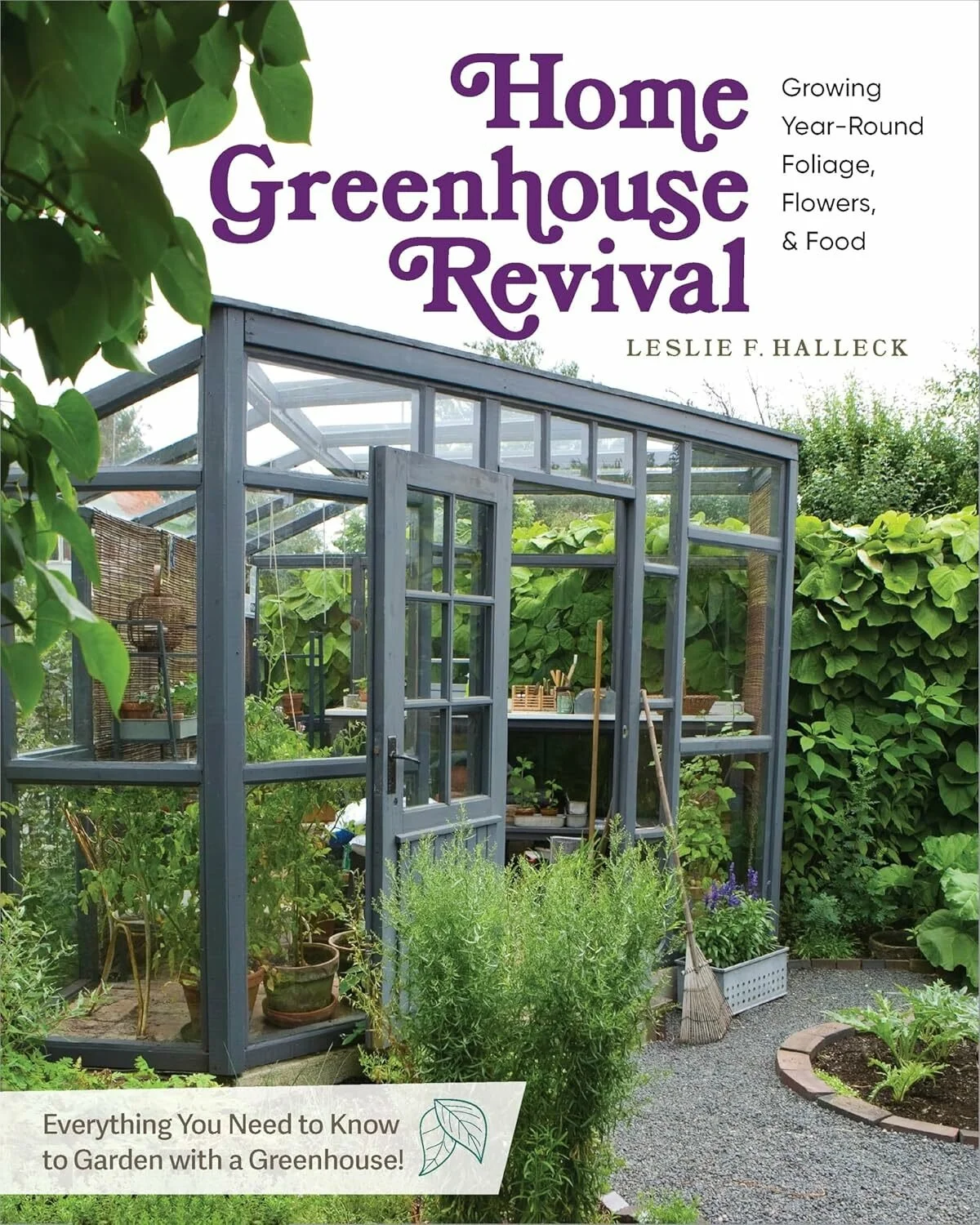
Want to create your ultimate greenhouse without breaking the bank or making mistakes that harm your plants? Professional plant geek Leslie Halleck joins me to talk about her new book Home Greenhouse Revival: find out how to choose, site, and manage a greenhouse so it actually grows what you want, rather than becoming an expensive garden ornament or storage space.
Patreon subscriber at the Ledge End or Superfan tier? Watch the ad-free episode here, and catch my bonus chat with Leslie where we go deeper into the world of horticulture, including why gardening skills are vital for our future. Watch here.
This week’s guest
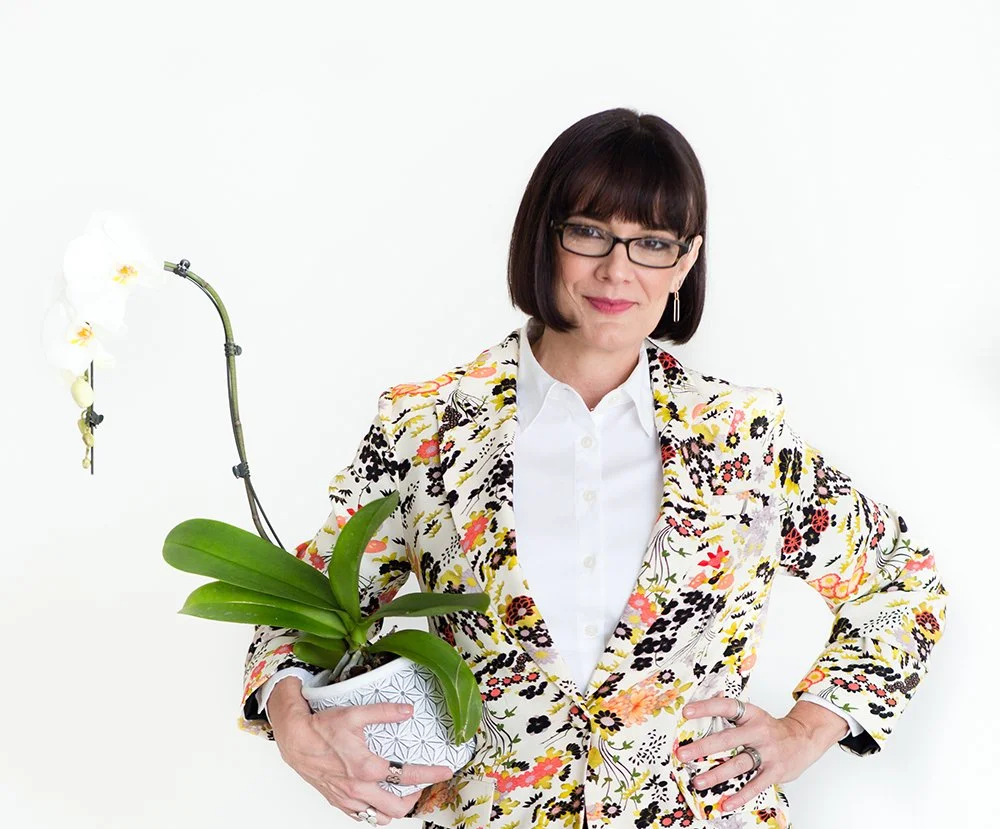
Leslie Halleck is a professional horticulturist with a lifetime of industry experience, hands on gardening and indoor growing. She's also the author of several books including Gardening Under Lights and Plant Parenting and is an UCLA Extension Instructor for the Horticulture & Gardening Program and Horticulture Certificate Program. Her book Home Greenhouse Revival is out now, published by Cool Springs Press.
Want more of Leslie on On The Ledge? Check out her episodes on The science of plant propagation, tiny plants and growlights.
Key topics
We discuss why a plant first approach matters more than choosing the dream structure first.
Leslie shares how climate, region, sun angle, shade, and obstructions should shape greenhouse decisions from the start.
We discuss why glass is not always the best choice to clothe your greenhouse, especially in windy areas, snow loads, or near falling branches.
Leslie explains why secondhand greenhouses can be a smart buy if the structure has good bones, but glazing often deteriorates.
We discuss the importance of permits, foundations, power, water, and HVAC or supplemental lighting before committing to a build.
Leslie shares how greenhouse shape affects performance, including geodesic domes for heat retention and gambrel roofs for snow.
We discuss why cooling is often the hardest part of greenhouse management, especially in summer heat.
Leslie explains why taller greenhouses are often easier to cool than short, low ones, and why taking plants outside in summer can be the right move.
We discuss sunken or semi subterranean greenhouses, including when they can help with insulation or cooling and when they may fail.
Leslie shares why newer greenhouse kits are getting sturdier and more climate specific, but still need to be matched to local conditions.
We discuss cheap portable kits, reinforcement, anchoring, and how to manage expectations for temporary or budget setups.
Leslie explains why pests and diseases can explode in greenhouses and how IPM, monitoring, and biosecurity help prevent problems.
We discuss VPD, humidity, and why vapor pressure deficit is a more precise measure than relative humidity for greenhouse growing.
Leslie shares that the book includes detailed plant profiles, practical growing measurements, and add on plant recommendations for each profile.
Timestamps
00:00 - Introducing greenhouse growing as a comeback topic
01:07 - Why Leslie wrote Home Greenhouse Revival
03:30 - Start with the plants, not the structure
06:21 - Glass, branch risk, and choosing the right material for the site
08:23 - Secondhand greenhouses and what “good bones” really means
09:49 - Permits, power, water, and climate driven placement
10:16 - Shape, glazing, foundations, and temperature range
13:17 - Why summer cooling is often harder than winter heating
17:33 - How sunken greenhouses work for insulation and cooling
20:35 - Why newer greenhouse materials still depend on local conditions
23:19 - Hybrid greenhouse entertaining spaces and the realism gap
24:44 - Cheap kits, anchoring, and when budget options make sense
28:25 - How to plan before building on a new property
29:53 - Using multiple small greenhouses for different zones
31:18 - Pests, disease, and why greenhouses need biosecurity
33:12 - Integrated pest management and natural controls
34:47 - Unexpected greenhouse pests, including rodents and cats
36:18 - What makes this book different from other greenhouse books
38:40 - What VPD means and why it matters in greenhouse growing
CREDITS
This week's show featured Whistle by BenJamin Banger (@benjaminbanger on Insta; website benjaminbanger.com).